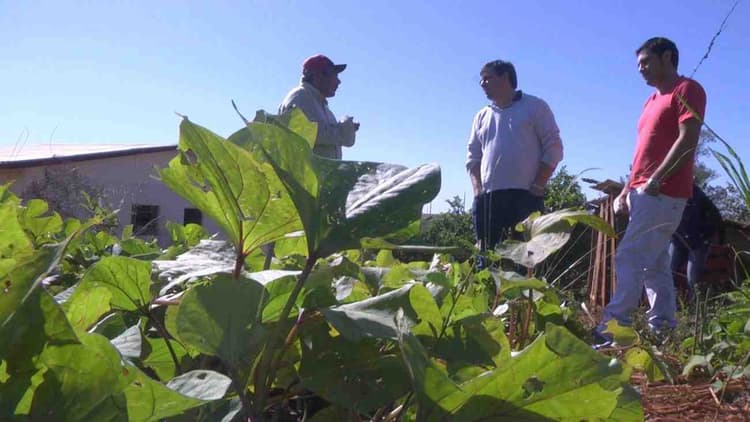
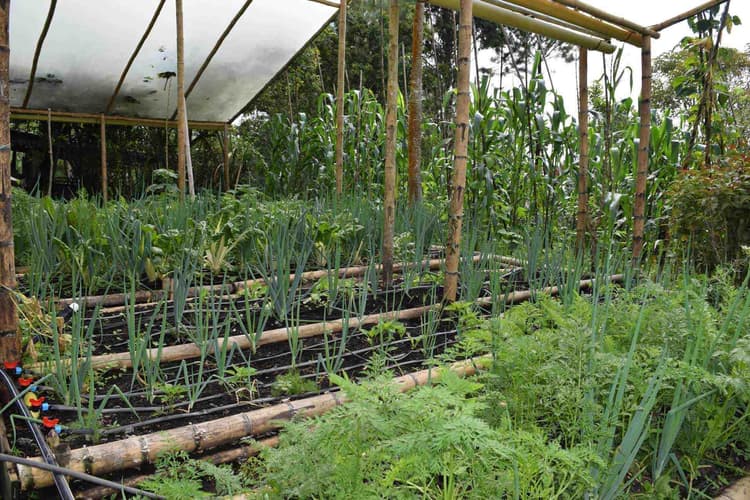
Soil microorganisms play a key role in the generation of N2O and other greenhouse gases (GHGs), making agriculture and livestock significant contributors to GHG emissions in Paraguay. According to data from the INGEI in 2015, N2O accounts for almost 20% of the country's total GHG emissions. In addition to N2O, phosphorus and potassium also contribute to the carbon footprint. In this context, it is crucial to find ways to effectively manage the use of chemical fertilizers to allow Paraguay to continue increasing its agricultural production while reducing GHG emissions. One of the most promising ways to achieve this is through a biotechnological approach that takes into account the role of microorganisms in soil biochemical processes.
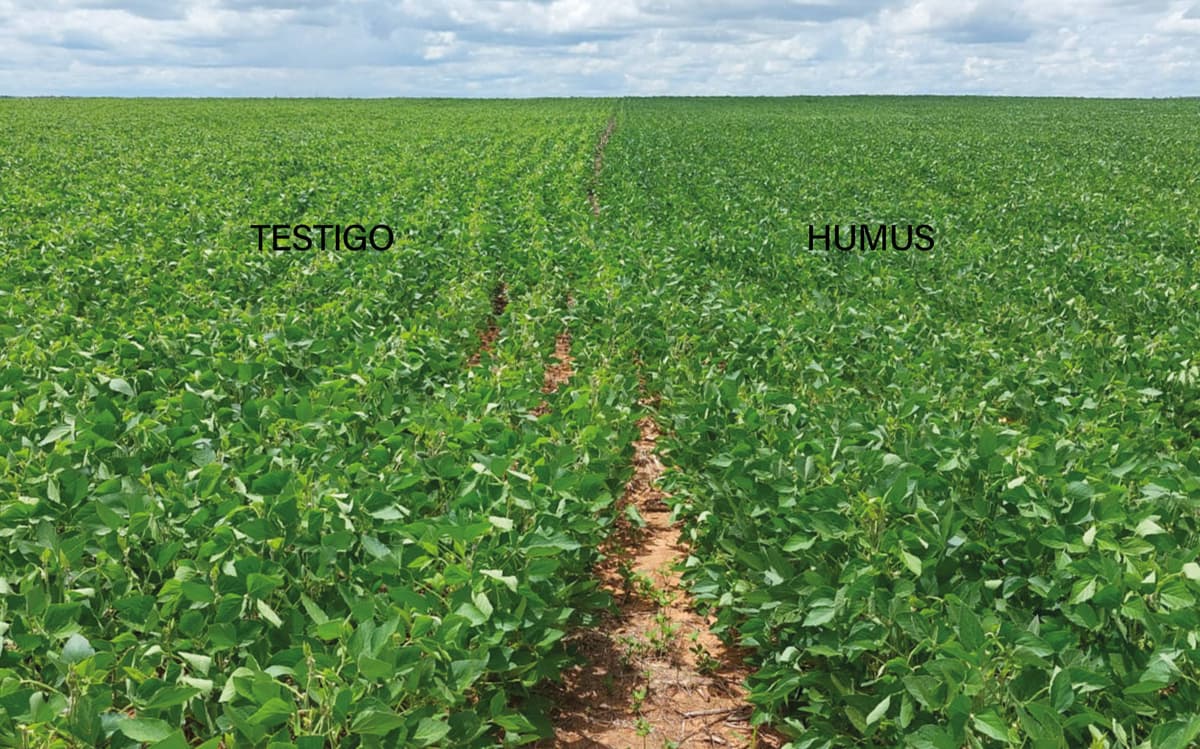
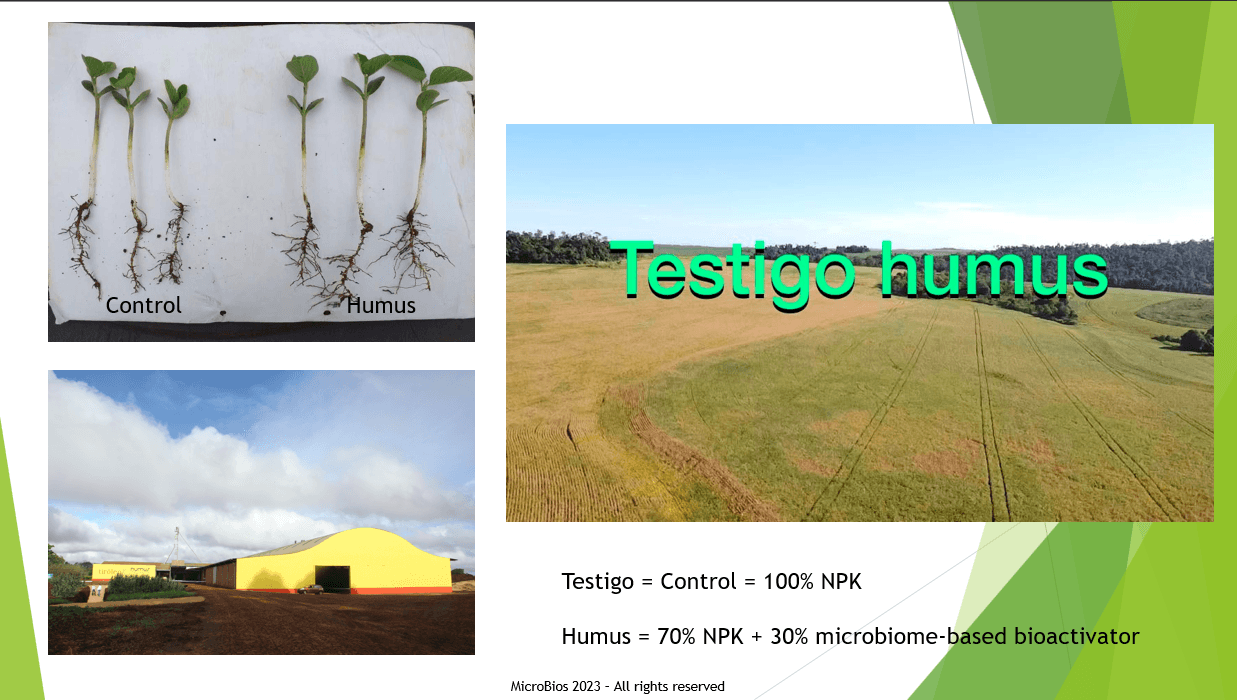
The project focuses on optimizing the use of chemical fertilizers by incorporating microbiome-based bioactivator additives, aiming to enhance the efficacy of traditional fertilizers and address the carbon footprint of agriculture. Remarkable results have been achieved, including a 12% increase in agricultural yield and a 30% reduction in NPK fertilizer usage. The technology has been applied across over 1,400,000 hectares, employing an innovative approach using advanced fermentation techniques. This project marks a milestone in the intersection of biotechnology and agriculture, providing a globally replicable model that not only enhances productivity but also contributes to environmental sustainability, with the potential to significantly reduce CO2eq emissions and benefit producers by achieving higher yields with fewer inputs.
The agricultural industry, essential for Paraguay's economy, significantly contributes to the national carbon footprint, especially through the use of chemical fertilizers. However, our technology, serving as an additive to NPK, has proven to increase the efficiency of fertilizer use, achieving an average yield increase of 12.8% and a 30% reduction in NPK usage. This not only optimizes agricultural production but also minimizes CO2eq emissions, contributing to more sustainable agriculture. To date, our technology has been successfully applied in over 1,400,000 hectares, highlighting the need for national policies that promote the use of biotechnological solutions for efficient and responsible agriculture. This approach not only protects producers but also ensures the long-term sustainability of the Paraguayan agricultural industry.



.png&w=3840&q=100)


 Agronomic Practices











.png&w=640&q=75)

 Impact
 Initiatives
 Dashboard
 Alliances
 Impact
 Initiatives
 Dashboard
 Alliances



_10_51_03.png&w=750&q=75)