
 Impact
 Initiatives
 Dashboard
 Alliances
 Impact
 Initiatives
 Dashboard
 Alliances


Learn more about this story
Project Webstory
Go to webstory




 Information SystemResilient Crops and Carbon Neutrality (“PI-1”)Technological
 2025
2025 Active
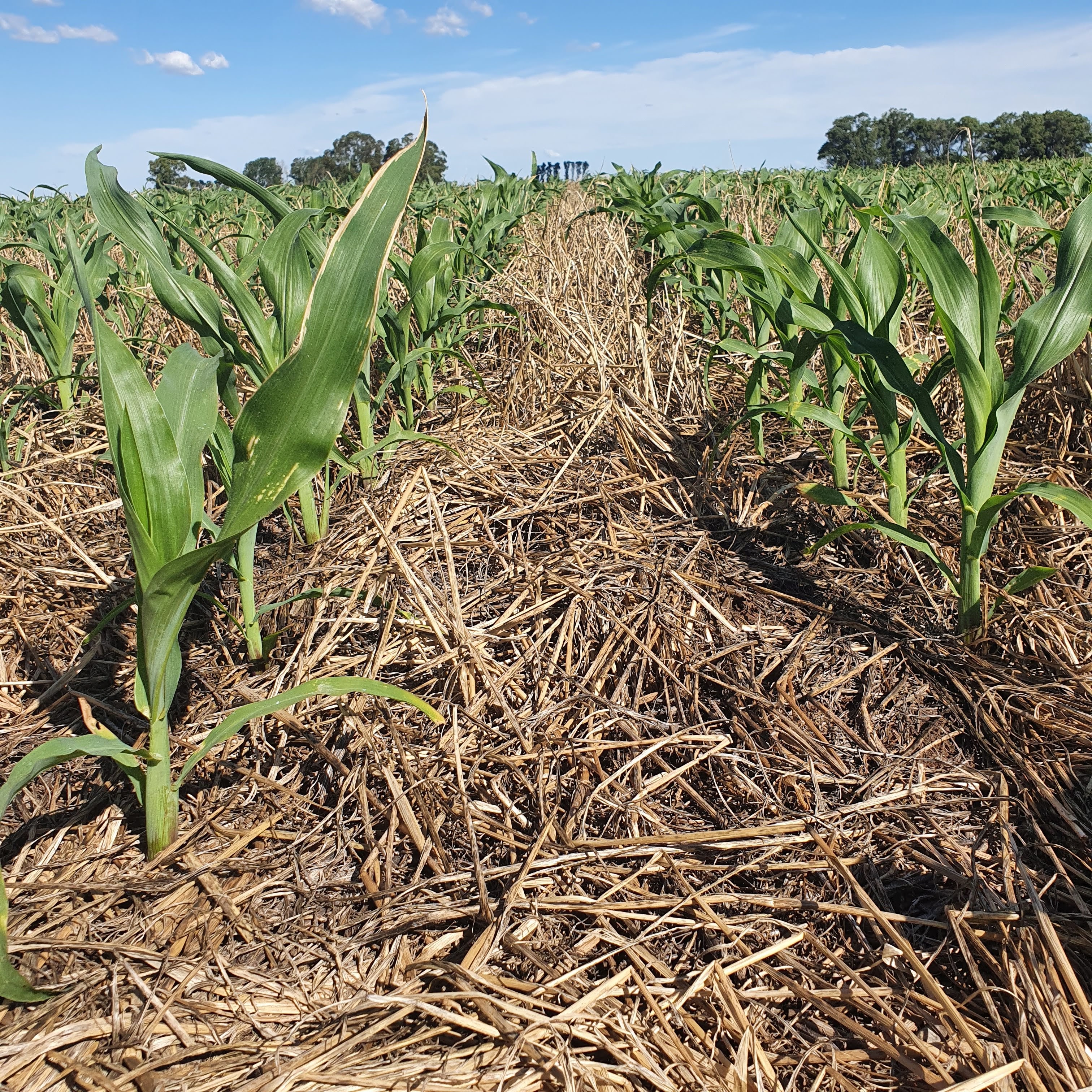
Food systems are closely related to climate change, as they account for 34% of greenhouse gas emissions worldwide. This situation increases the need to reduce emissions in the agricultural sector, especially in a global context where the demand for food will grow significantly due to population growth. The sector faces the need to increase food production with a smaller environmental footprint and in compliance with international regulations. In this context, production systems that are resilient to climatic uncertainties, such as no-tillage systems (NTS), become more relevant. These systems, based on no-tillage, permanent cover and diversified crop rotation, have reached important levels of adoption in South America. In Brazil, a project carried out between 2020 and 2024 assessed the restoration capacity of Soil Organic Carbon (COS) in NTS, obtaining positive results that support the potential of these systems. In this context, the main objective of the Technical Cooperation (TC) is to contribute to the assessment of the capacity of no-tillage systems to restore COS in different agroclimatic zones of Argentina, Uruguay, Paraguay and Spain, validating the Brazilian experience in a new environment.
Under the methodology proposed, farmers intervene as a central actor in the innovation process, promoting the adoption of knowledge and facilitating decision-making at the production level. A unified measurement protocol and machine learning tools are implemented to ensure data comparability. The specific objectives include characterizing the current status of NTS in the participating countries, characterizing the restoration capacity of COS in NTS and analyzing the scalability of these systems, as well as managing and transferring the knowledge generated to farmers, technicians, researchers and policy makers.
In a context of high pressure to reduce emissions and existing information gaps, the project will deliver scientific evidence on the capacity of NTS to restore SOC. A baseline of adoption will be established in participating countries, and the benefits of these systems will be demonstrated. The initiative will directly benefit 3,700 producers, technicians, and advisors from participating associations, promoting ecosystem resilience. At a strategic level, the indicators generated will be shared with decision-makers to inform the design of public policies that support sustainable production, facilitating compliance with regulations and access to international markets.
The direct beneficiaries will be the 3700 farmers, technicians and advisors involved, as well as researchers from research institutes. Through dissemination actions, the results will indirectly benefit farmers in South America and Spain, in addition to influencing public policies that promote sustainable agricultural practices.
This project actively contributes to achieving the Sustainable Development Goals, promoting more equitable, resilient, and sustainable regional development.




Florencia Moresco
Sponsors


With the support of



