Impact
 Initiatives
 Dashboard
 Alliances
 Impact
 Initiatives
 Dashboard
 Alliances


Learn more about this story
Project Webstory
Go to webstory




 Information SystemInnovationClimate changeAppliedTechnological-Organizational-InstitutionalAgricultureClimate smart agricultureCapacity buildingProductive systemsTerritorial development
 2025
2025 Active
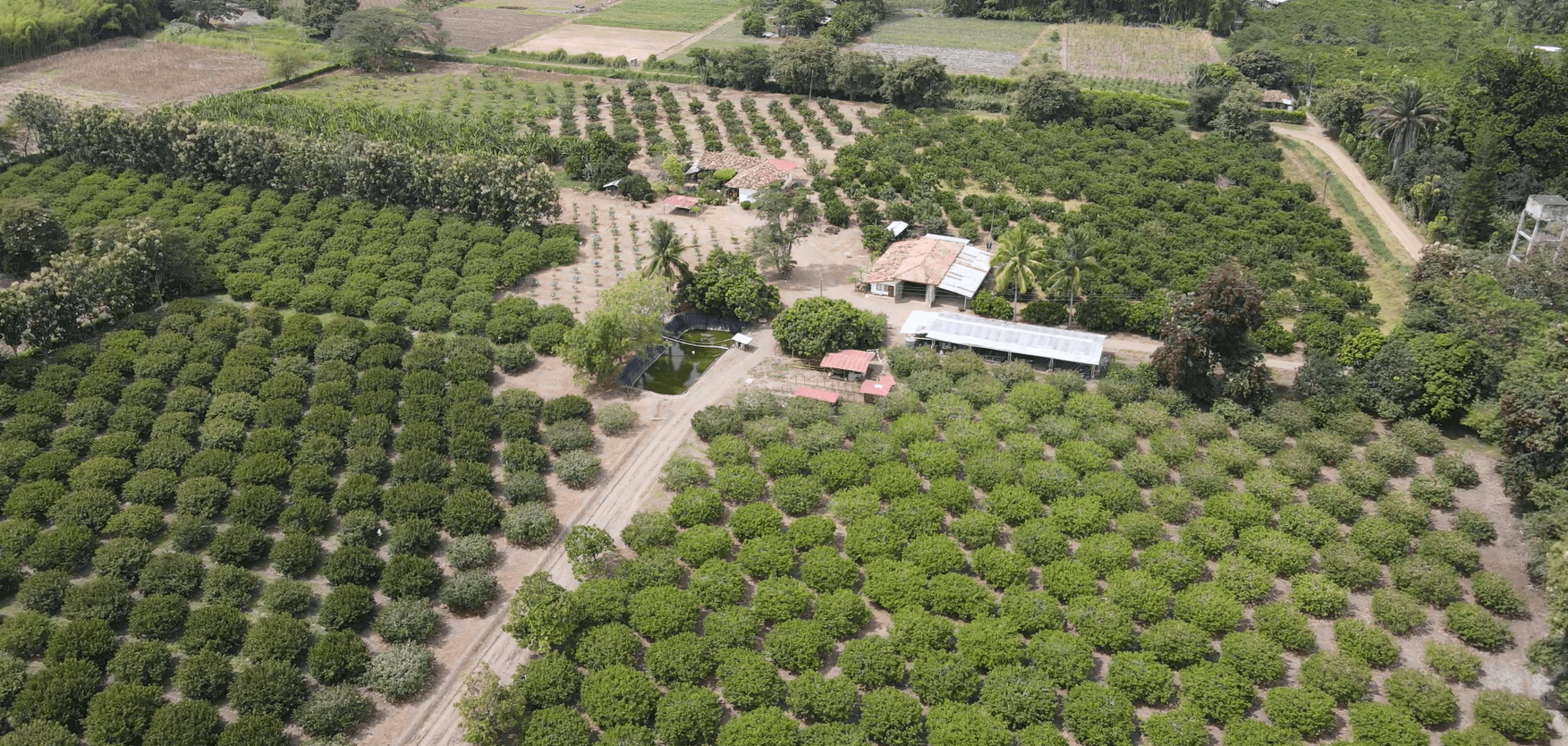
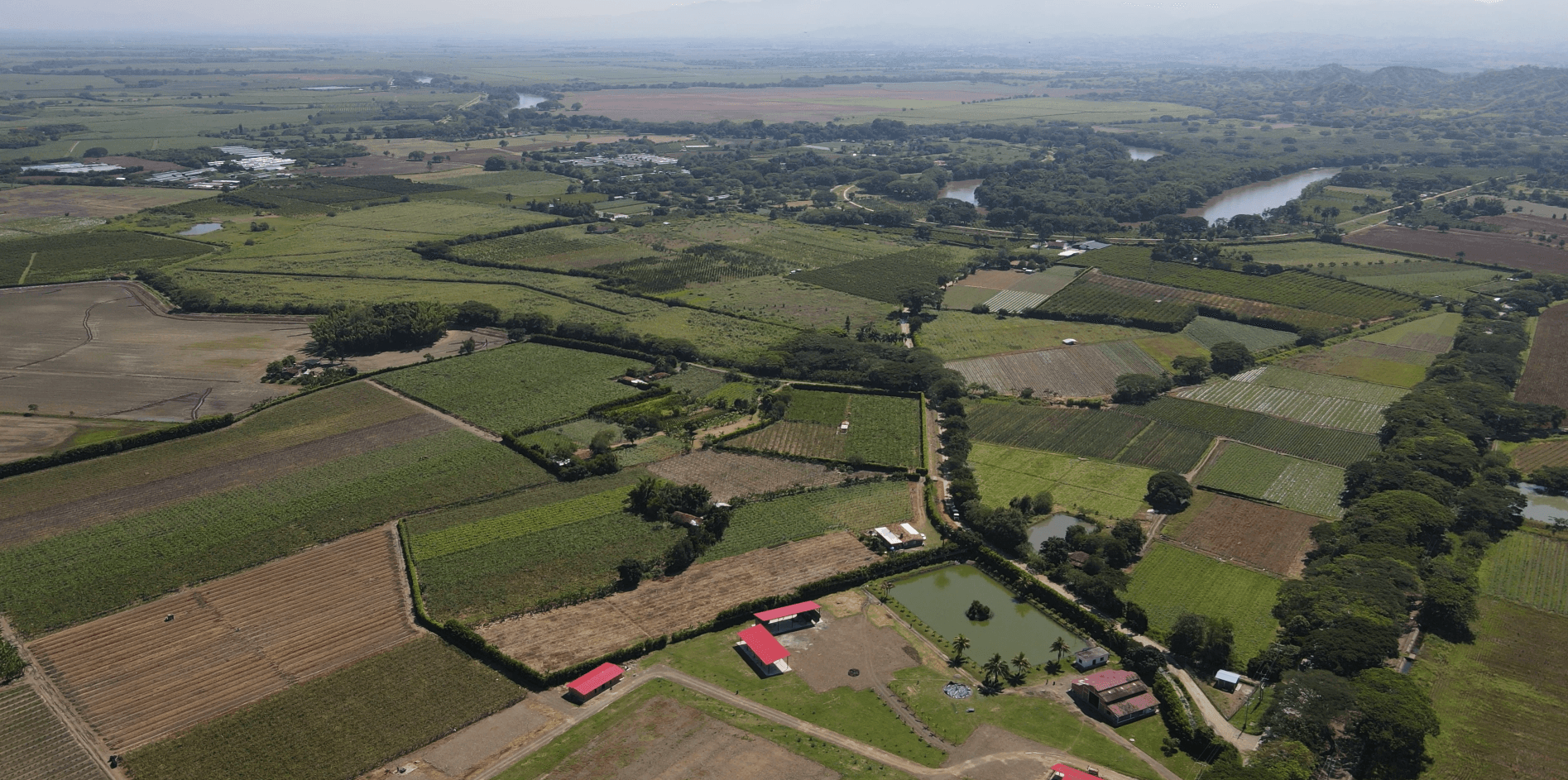
This project addresses the challenge of water regulation in fruit production landscapes of northern Valle del Cauca (Colombia) and Tembiaporã (Paraguay), where the historical fragmentation of tree cover compromises the water balance. Its common thread is the integrated management of water resources, combining two action scales for maximum impact. At the landscape level, the project will deliver: a diagnosis of tree cover fragmentation and its historical change; a comparative analysis quantifying how greater tree cover improves key water regulation indicators (soil moisture, infiltration); and a concrete ecological reconnection proposal (roadmap) with tailored landscape management tools designed specifically to increase the territory's water resilience.
At the farm level, the project will deliver: an implemented and validated smart AgTech 5.0 irrigation system, integrating IoT sensor networks, an AI-based decision module, an automation robot (RegaBot), and an assistance chatbot (DonRiego) to optimize water-use efficiency in Tahiti lime and banana crops.
The project is expected to evaluate the effect of AgTech 5.0 technologies on agricultural productivity and water-use efficiency in prioritized fruit crops in Colombia and Paraguay by comparing technology-enabled plots with control plots over two production cycles. To achieve this, automated irrigation systems with IoT networks, soil, plant, and atmosphere sensors, telemetry, artificial intelligence, remote operation, RegaBot, and the DonRiego chatbot will be implemented. This information will support the development of technical recommendations for precise irrigation management, considering variables such as water use, energy consumption, yield, greenhouse gas emissions, costs, savings, and benefits.
As a technical result, the project will generate evidence on the relationship between tree cover, ecological connectivity, soil biodiversity, and water regulation at the landscape scale, using satellite imagery, participatory mapping, IoT sensors, and spatial modeling. A proposal for ecological reconnection and sustainable practices will also be developed to improve connectivity, biodiversity, and water-use efficiency in fruit landscapes. In addition, local capacities will be strengthened for the use of digital technologies and artificial intelligence in sustainable irrigation management.
2,500 farmers and technicians will be trained in these technologies and strategies, providing a solid technical foundation for institutions and producers to make informed decisions that lead to a more productive, sustainable, and resilient fruit sector.
This project actively contributes to achieving the Sustainable Development Goals, promoting more equitable, resilient, and sustainable regional development.
Liliana Ríos-Rojas
Mauricio Fernando Martínez
Angela María Arcila Cardona
Luis Carlos Grajales Guzmán
Yanine Rozo
Ronal Arturo Burbano Díaz
Marysol Cano Benitez
Joan Fernando Díaz Calderon
Sponsors


With the support of