
 Knowledge ManagementSustainable intensificationStrategy 1. Resilient farmsStrategy 2. Sustainables territoriesAdaptativeTechnological-Organizational-InstitutionalFamily agricultureClimate smart agricultureCapacity building
 2017
2017 Closed
Family farming (FF) systems located in marginal areas are frequently more vulnerable to the negative effects of the climate and its changes. The sustainable intensification (SI) of these systems should be associated with socioecological diversification, and tend to increase and / or stabilize resource productivity, profitability, maintain the ecological and cultural landscape integrity, and increase the adaptive capacity of the socioecosystem to current and future environmental variables. In other words, to increase their socioecological resilience.
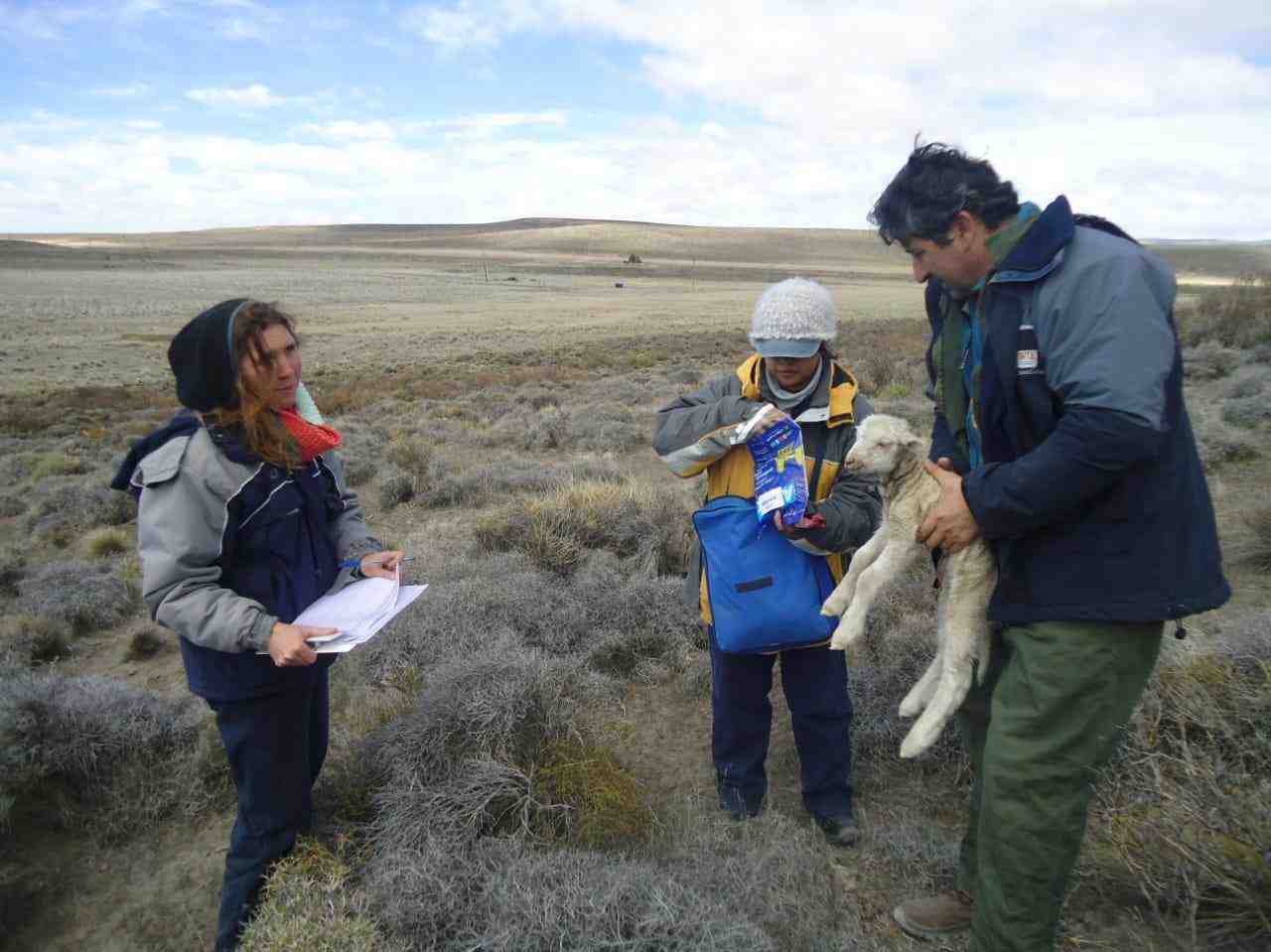
The objective of this Seed Fund was to create a platform for the exchange of knowledge on the subject of socioecological resilience to climatic adversities in FF systems; involving public-private, national, regional and international institutions that favor a comprehensive approach to the subject. The platform was led by INTA (Argentina) and made up of institutions from Argentina and Colombia. During the workshop, the possibility of preparing a Consensus Project based on the creation of a broader platform, integrating new public and private institutions, and the national representations of the member countries of FONTAGRO that joined this meeting was analyzed. An additional objective was to strengthen the agro-socioecological diversity of the project for Family Farming conditions in the piedmont and plains of Traslasierra (province of Córdoba), the Puna jujeña (Pozuelos Basin), the Patagonian steppe of Rio Negro (Cerro Alto), and the Andean-Amazon Piedmont of Caquetá (Caquetá Department). The north-central Region of the Dominican Republic (La Vega province), the Andean Region of Ecuador (sub-basin of the Chimbo river, Cantones Guaranda and Chillanes, Bolívar Province) and the Pacific Coast of Costa Rica (Jesús María Basin, Puntarenas Province) will be integrated into the project with self-financed activities that will form the counterpart of the FONTAGRO Consensus Project.
The platform will formulate a proposal for international technical cooperation to evaluate the impact of innovations for the sustainable intensification of family farming in pilot areas with a gradient of contrasting climatic limitations; through an interdisciplinary approach, the co-construction of knowledge and the use of participatory methodological tools.
Workshop Report
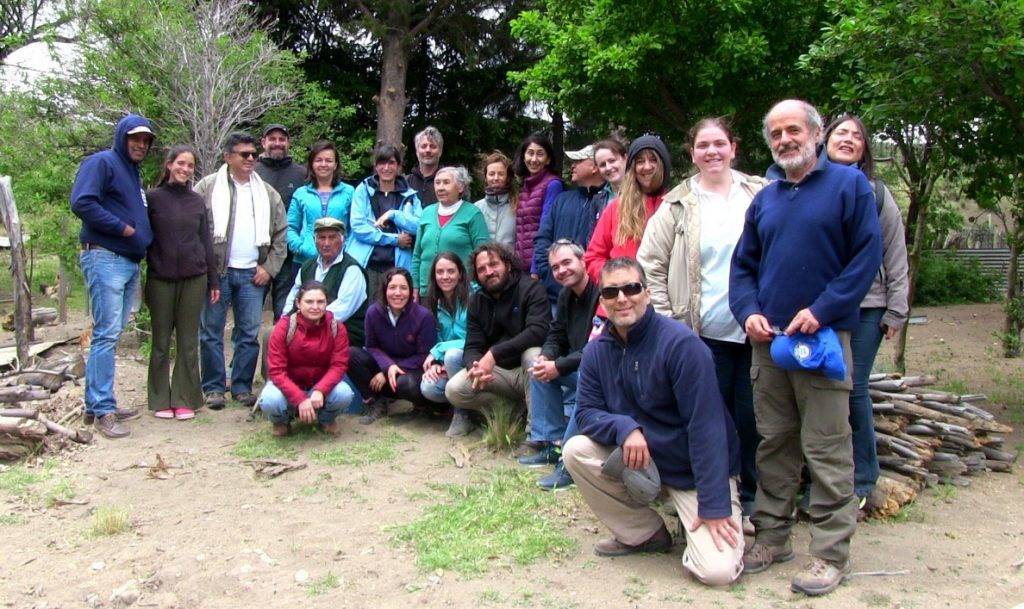
Scientists from participating institutions
This project actively contributes to achieving the Sustainable Development Goals, promoting more equitable, resilient, and sustainable regional development.

The tangible impact of science and technology in the field
Sponsors


With the support of



 Impact
 Initiatives
 Dashboard
 Alliances
 Impact
 Initiatives
 Dashboard
 Alliances