
 Impact
 Initiatives
 Dashboard
 Alliances
 Impact
 Initiatives
 Dashboard
 Alliances


Learn more about this story
Project Webstory
Go to webstory




 Agronomic PracticesResilient Crops and Carbon Neutrality (“PI-1”)AppliedTechnologicalProductive systemsAgriculture
 2026
2026 Active
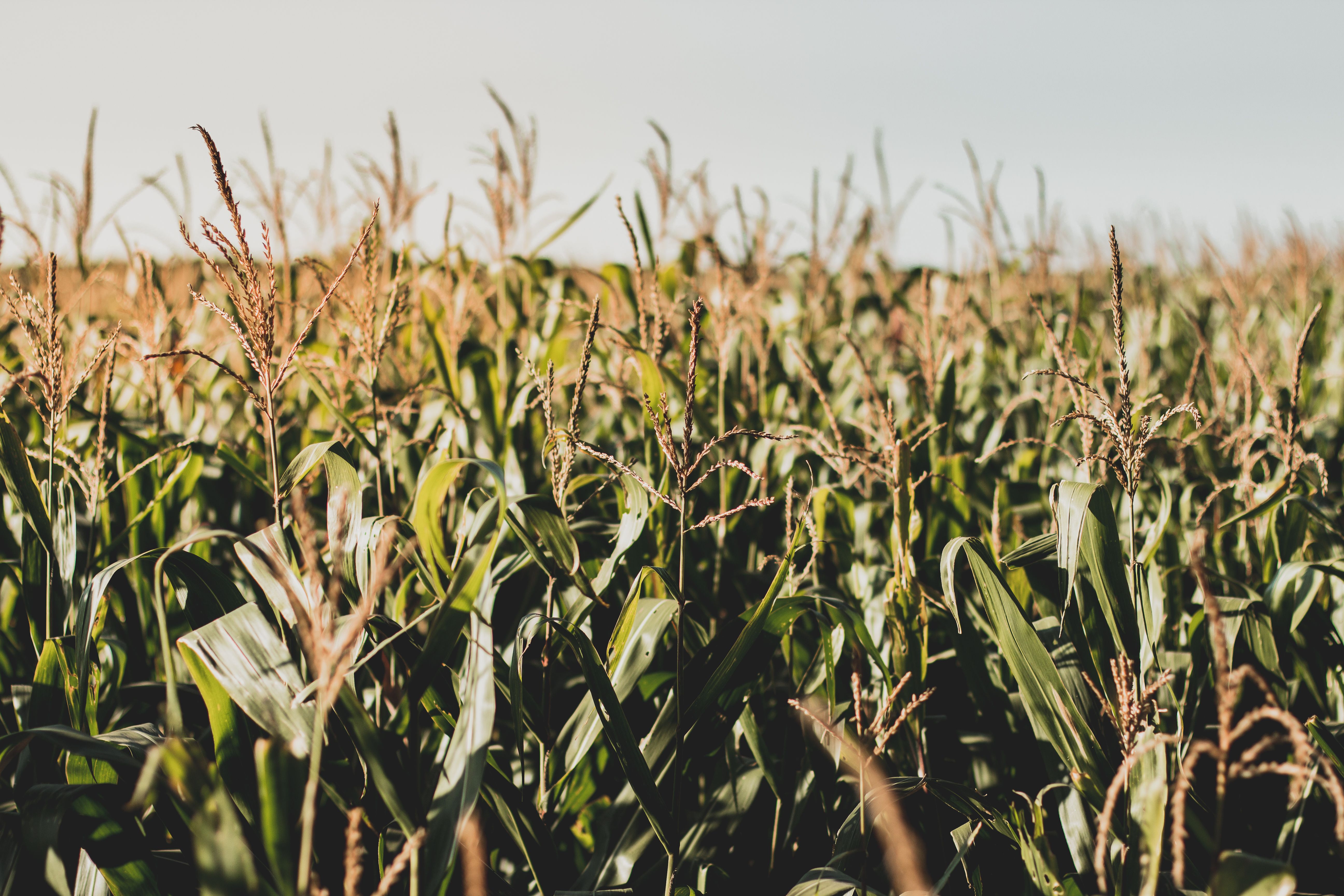
Across many farming systems in Latin America and the Caribbean, less than half the nitrogen applied is recovered by the crop. The share the plant does not take up is a cost lost to the producer and, at the same time, a source of nitrate leaching and nitrous oxide emissions. Nitrogen nanofertilizers, formulations that change how quickly the nutrient is released in the soil, offer a way to narrow that loss, yet almost all the available evidence comes from controlled trials and leaves unanswered the question that governs adoption: how the technology behaves in a commercial field.
The project sets out to raise nitrogen use efficiency, productivity, and profitability in wheat, maize, and coffee in Argentina and Costa Rica. The first step is to quantify, on production fields, the effect of nanofertilizers on yield, efficiency, leaching, and emissions. Those data feed an open-access digital platform that assesses, ahead of adoption, the technical, economic, and environmental viability of the technology against conventional fertilization. Transfer to producers, advisors, and input supply companies completes the sequence, through training, technical recommendations, and publications aimed at regional scaling.
The core technology is nitrogen nanofertilizers: formulations in which nitrogen is bound to nanomaterials smaller than 100 to 200 nanometres, altering how the nutrient is released and how available it becomes in the soil. Unlike conventional fertilizers, they aim to synchronize nutrient supply with crop demand, cut losses to leaching and increase the share taken up by the plant. The project validates the technology in wheat, maize and coffee, paired with an open-source digital platform that turns experimental results into recommendations on fertilizer source, rate, timing and placement for each site.
Agronomic and environmental validation of the nitrogen nanofertilizer is the central expected result, along with its advance from technology readiness level (TRL) 4 to 6. A network of multi-location trials, run over two growing seasons on working farms in Argentina and Costa Rica, will compare the nanofertilizer against conventional urea, enhanced efficiency fertilizers, and an unfertilized control, measuring yield, agronomic nitrogen use efficiency, nutrient recovery fraction, nitrate leaching, and emissions intensity per tonne harvested. The team's ex ante estimate places the potential benefit at close to a 10% reduction in the rate applied and a 10% increase in yield.
The second result is a free digital decision-support platform that turns the trials into recommendations on fertilizer source, rate, timing, and placement for each site and production system, and estimates the marginal rate of return on nanofertilizer use under varying input, product, and carbon price scenarios. The analysis behind it should produce yield-nitrogen response curves by fertilizer source and crop, and efficiency-emissions frontier charts. More than 200 scientists, technicians, and producers will be trained in its use.
The project will directly benefit at least 2,400 producers, advisors and technicians in Argentina and Costa Rica, linked to agricultural experimentation networks and to cereal and coffee cooperatives, who will take part in workshops, register on the digital platform and draw on the publications produced. At least 200 of them will be trained across six co-innovation and training workshops, with more than 30 attendees each, and undergraduate and graduate students will be trained through internships. Indirectly, the initiative will reach more than 40,000 producers, advisors and professionals through the wider networks of producers, cooperatives and technical organizations in both countries.
This project actively contributes to achieving the Sustainable Development Goals, promoting more equitable, resilient, and sustainable regional development.


Sponsors


With the support of


