
 Impact
 Initiatives
 Dashboard
 Alliances
 Impact
 Initiatives
 Dashboard
 Alliances


Learn more about this story
Project Webstory
Go to webstory




 Pest and Disease ResistanceResilient Crops and Carbon Neutrality (“PI-1”)AppliedTechnologicalPests y DiseasesGenetic improvement
 2026
2026 Active
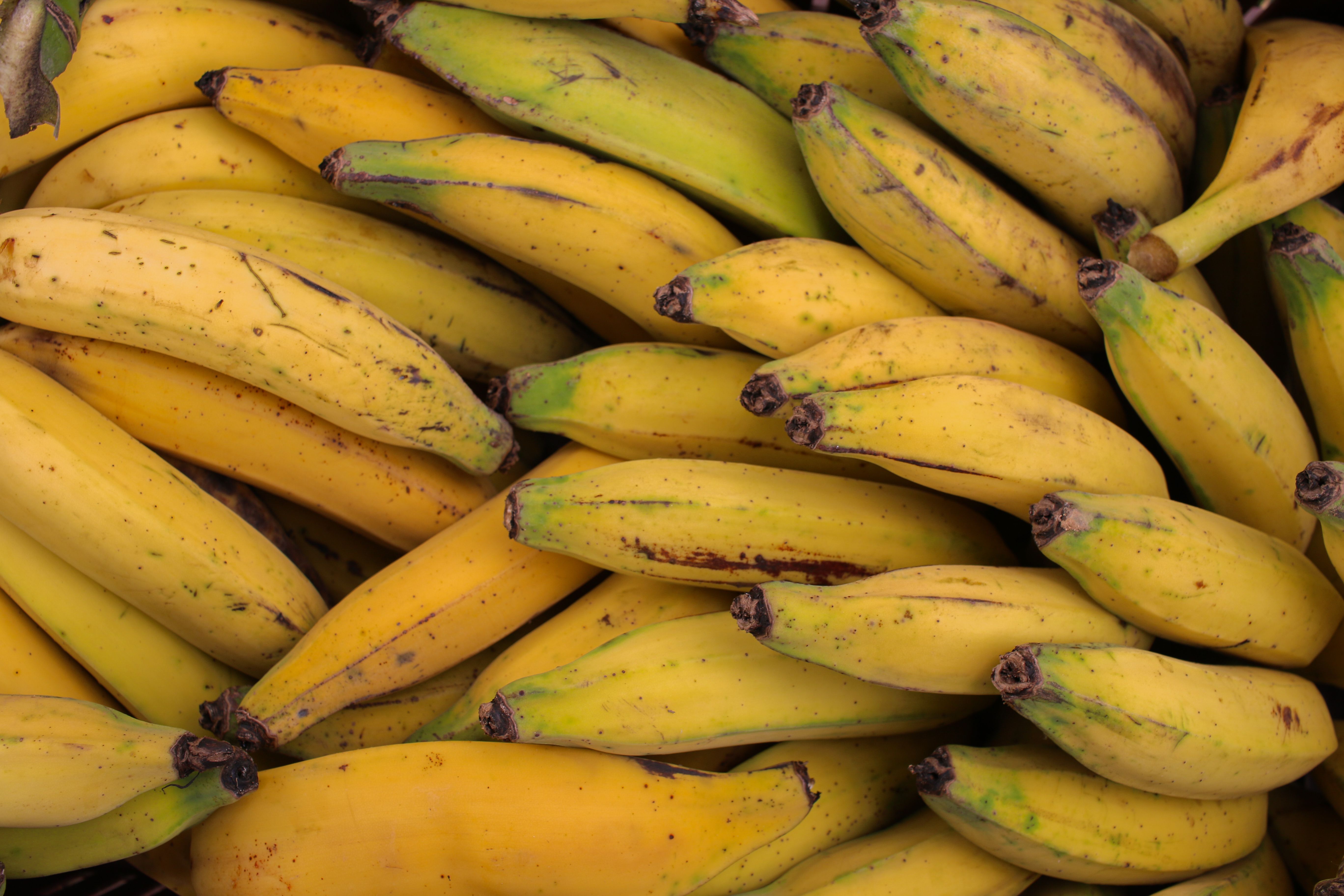
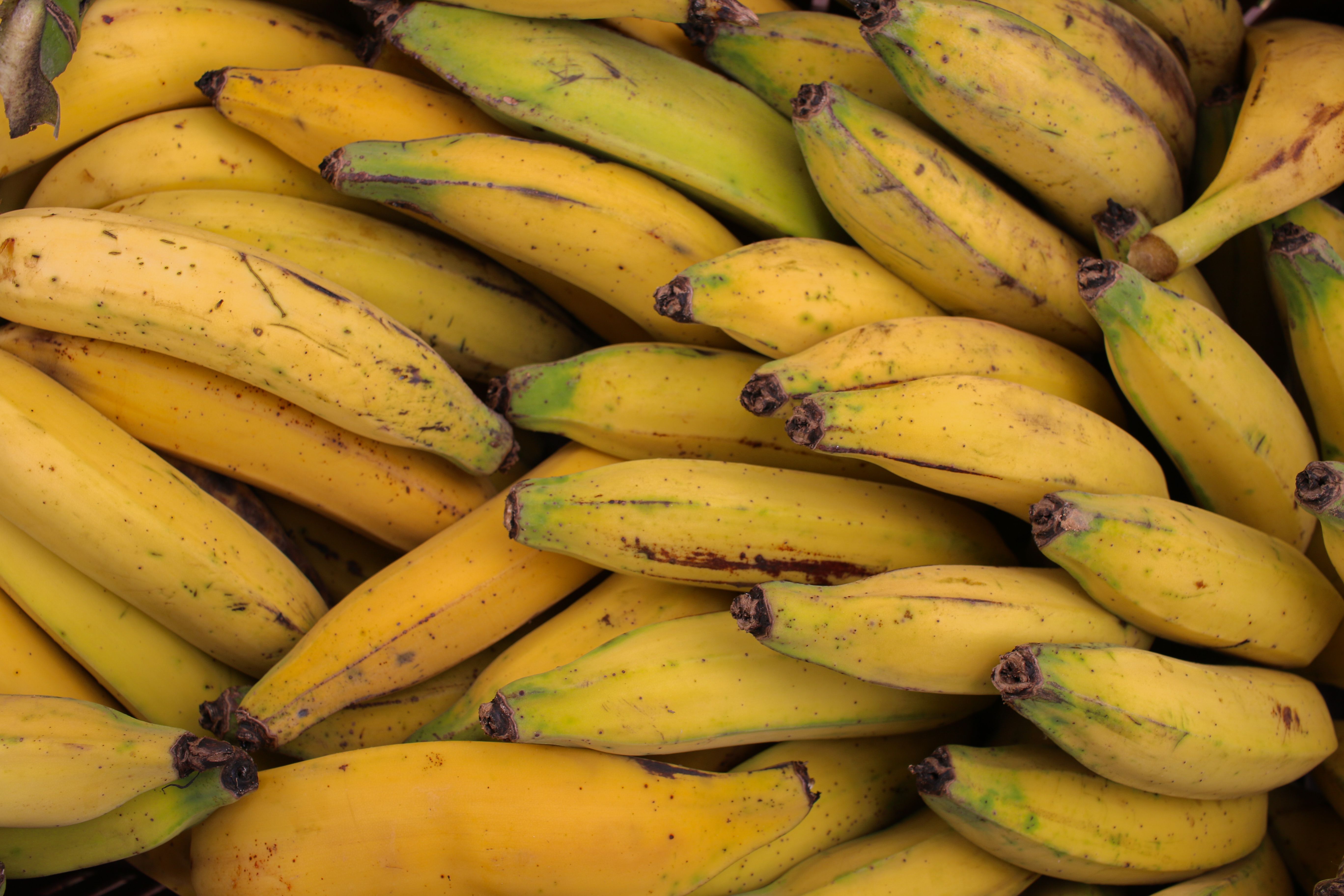
Subtropical banana production in the Southern Cone does not supply its own market, and climate variability is shifting the conditions suited to the crop toward that belt. The project brings together four national capabilities built up separately: Argentina contributes more than twenty years of subtropical banana breeding, which has yielded promising clones selected for resilience, yield, hand shape, and disease resistance; Paraguay, an agroecological approach that sustains production with a marked reduction in agrochemical applications, built on bioinputs and leachates; Bolivia, expertise in soil management and soil health with an emphasis on organic fertilization; and Colombia, environments of intense disease pressure in which clone resistance can be screened against pathogens that have not yet reached the rest of the region.
From that combination the project builds a complete production system. The clones are evaluated in comparative yield trials across contrasting environments, to establish genotype by environment interactions and their behavior under disease pressure, while a model for the transition to agroecological management, resting on soil health, is validated. Training reaches young researchers and technicians across every area the crop involves, from field technicians to specialists in soils and in microorganisms antagonistic to pathogens.
Twelve advanced lines of subtropical Cavendish banana, selected over more than two decades for resilience, yield, hand shape, and disease resistance, are the starting point: their identity is fixed by genome sequencing and by sequence-specific molecular markers that detect the variants arising spontaneously in the field or during in vitro culture. From there they move to the tissue culture laboratory, which delivers uniform, pathogen-free plantlets, and from the laboratory to comparative yield trials spread across contrasting environments, with a parallel resistance screening against Fusarium, Ralstonia, and Sigatoka under controlled conditions of high disease pressure. Once in the plot, those plants are grown under management that restores soil biology: root growth promoting microorganisms (Pseudomonas spp., Azospirillum spp., and Trichoderma spp.), preventive biological control of yellow Sigatoka with Bacillus amyloliquefaciens, and weather-based biological forewarning systems, aimed at sustaining soil health and cutting agrochemical applications.
Execution should yield, on the genetic material side, the identification of the best performing clones for each environment and of genotype by environment interactions, from thirteen comparative yield trials run under a common protocol: eight in Argentina, three in Paraguay, and two in Bolivia, plus a disease screening in Colombia, where the materials pass through quarantine and growth rooms and incidence, severity, and damage grade are scored against Fusarium, Ralstonia, and Sigatoka. The twelve advanced lines will be sequenced and characterized with sequence-specific markers, and in vitro multiplication is planned to deliver some 10,000 plants for the trials.
On management and quality, the work should leave a diagnosis of the critical management points in each country and an agroecological transition model validated across environments, with soil sampling in year one and year four to verify shifts in microbial populations, and with bioinputs assessed for root growth promotion and for the preventive control of yellow Sigatoka. Between months 24 and 36, external and internal fruit quality is assessed, with tasting panels and comparison against market benchmarks. The team's ex ante estimate places the benefit at a rise from 800 to 1,100 boxes per hectare per year and a price improvement from 16 to 23 dollars per box. The knowledge products comprise field days, bulletins, technical videos, and conference papers, with some 3,000 people trained and 12 technicians and 6 students brought through.
The project will directly benefit roughly 3,700 banana growers in Argentina, Bolivia, Colombia, and Paraguay, along with 65 scientists and technicians from the participating institutions, who will take part in the comparative yield trials, the socio-productive diagnosis, and the training activities. That diagnosis will draw on four surveys of 40 to 50 farmers each, in northeastern and northwestern Argentina, in Bolivia, and in Paraguay, selected by farm size and level of technification. Some 3,000 people will be trained through field days, in-person workshops, webinars, and online seminars, and capacity building will reach 12 technicians and 6 undergraduate and graduate students who will base their theses and final projects on the crop. Indirectly, the initiative will reach around 8,000 people linked to producer associations and groups in the four countries, through the outreach strategies planned in each of them.
This project actively contributes to achieving the Sustainable Development Goals, promoting more equitable, resilient, and sustainable regional development.

Sponsors


With the support of


