 Impact
 Initiatives
 Dashboard
 Alliances
 Impact
 Initiatives
 Dashboard
 Alliances


.jpg&w=640&q=100)
Learn more about this story
Project Webstory
Go to webstory




 Value chainAppliedTechnological-Organizational-Institutional
 2016
2016 Closed
This project was carried out in Peru and Colombia, specifically in two cocoa-producing regions of Cuzco and San Martín, in Peru; and Tolima and Huila departments in Colombia. For these regions, a geographic information system (GIS) was developed that included edaphoclimatic information and the collection of materials of differentiated quality. Physicochemical and organoleptic characterization were also carried out. For each region, materials were defined that may be of use in future planting processes, due to their good productivity and differentiated quality in flavor, focusing their use in fine and aroma chocolate industry.
For the agronomic aspect of the project, soil characterization was carried out in order to identify the presence of cadmium. This heavy metal is a barrier for exportation process considering the maximum limits allowed by the European Union for products derived from cacao. It was found that some soils in the southern zone of the department of Tolima exceed the permitted limit for the presence of this metal. At the greenhouse level, two experiments were carried out to identify 1) effect of the variety on the resistance to the presence of this metal, finding that the material CCN51 adsorb less, 2) soil amendment treatments that decrease the adsorption of cadmium, where the mixture of Dolomite lime with mycorrhizae was a treatment that decreased adsorption at the leaf level.
In improvements to the fermentation process, an ecological prototype was achieved for bean fermentation, using recycled tires that preserve the temperature, is easy to build for producers and economically affordable. Similarly, aroma precursor microorganisms to be used as starter cultures were identified and collected, also identifying that their use accelerates the fermentation process. For each country there is a collection of microorganisms identified by species for future resistance and encapsulation work.
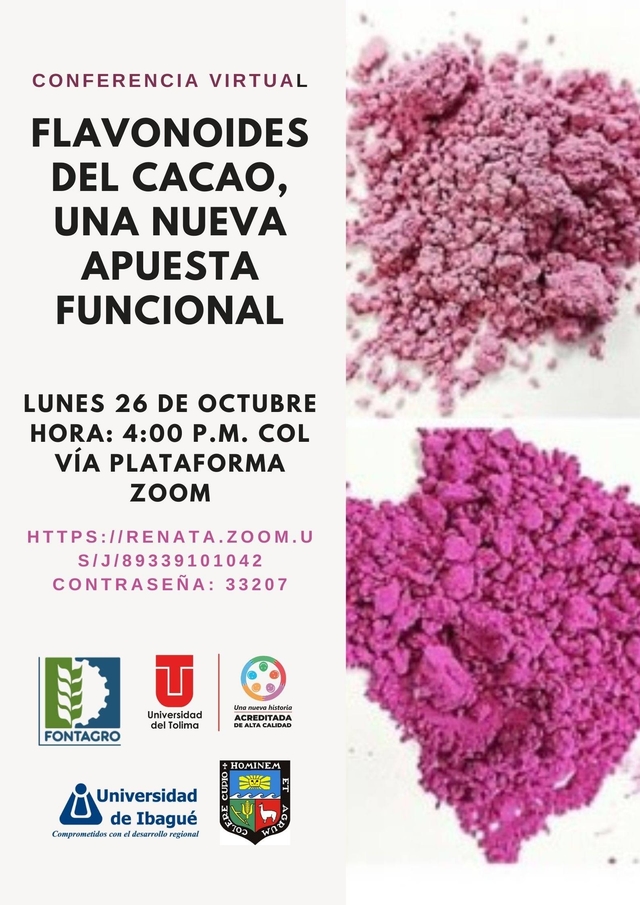
Finally, the extraction of the flavonoid compounds present in the unfermented cacao bean was achieved, the encapsulation by spray drying and lyophilization was studied. Flavonoids present and antioxidant activity were determined for these encapsulates. The lyophilization technique generated encapsulates with the highest antioxidant and cardioprotective activity. It is necessary to continue working on larger scale standardization to obtain this flavonoid-rich product since standardization was only achieved at the laboratory level.
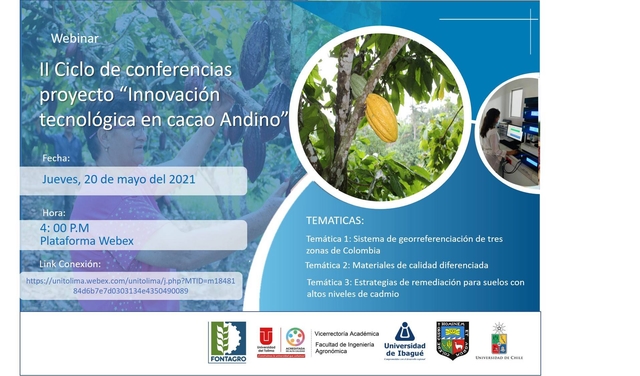
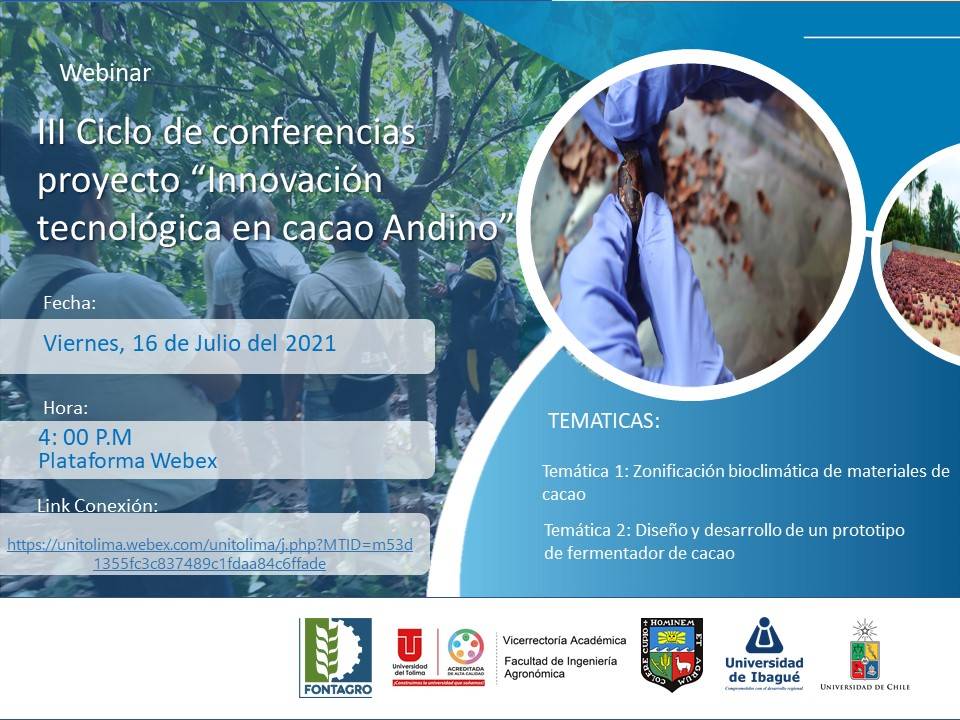
The results of this research were disseminated during two workshops in 2019 and two virtual conference cycles held in 2020 and 2021. New forms of knowledge transfer were incorporated in order to reach a larger audience, and videos explaining important subjects were created. Finally, results were presented in different congress and articles submitted for publication.
This project developed a technological package validated at the nursery level to decrease the assimilation of cadmium, measured at the foliar level, finding that the application of dolomite lime with the use of mycorrhizae reduces the adsorption of this heavy metal. Zones and materials of differentiated quality were identified by country to increase planting processes with regional materials adapted to the edaphoclimatic conditions of the productive areas under study. Ecological fermenter prototypes were validated using recycled tires, which act as insulating material to maintain the temperature during the fermentation process, with successful field validation. In some cases, we worked with inoculum of microorganisms selected in the framework of the project, which decreased the fermentation time. Finally, a flavonoid encapsulation prototype was generated, in order to get into higher value-added nutritional supplement markets, identifying clone CCN51 as having the highest flavonoid content and the spray drying process as the most cost effective for obtaining the encapsulated flavonoid.
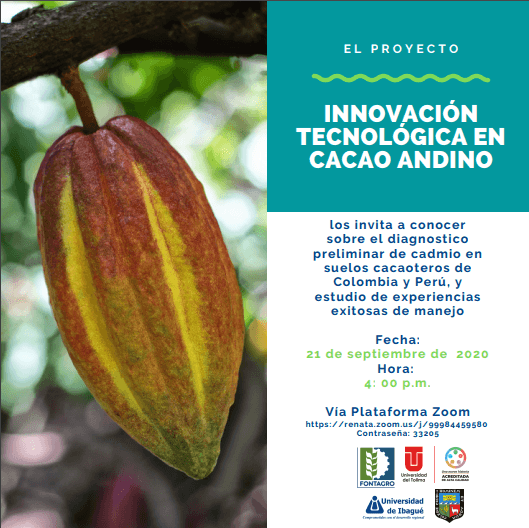
The project was carried out in two areas of Colombia and Peru. The results are focused from cultivation to transformation, in order to strengthen several aspects such as:
It is estimated that 600 cocoa-producing families (200 directly, 400 indirectly) were benefited. These farmers are among the most vulnerable groups in the producing areas by country and where women have an active participation in cocoa processing. The dissemination of results also benefited science and technology institutions of the two countries, with participation in the virtual conference cycles held in 2020 and 2021, as well as participation in congresses. The goal of 2,700 registered people who attended the workshops and virtual conference cycles held was met.
This project actively contributes to achieving the Sustainable Development Goals, promoting more equitable, resilient, and sustainable regional development.

July 12, 2021
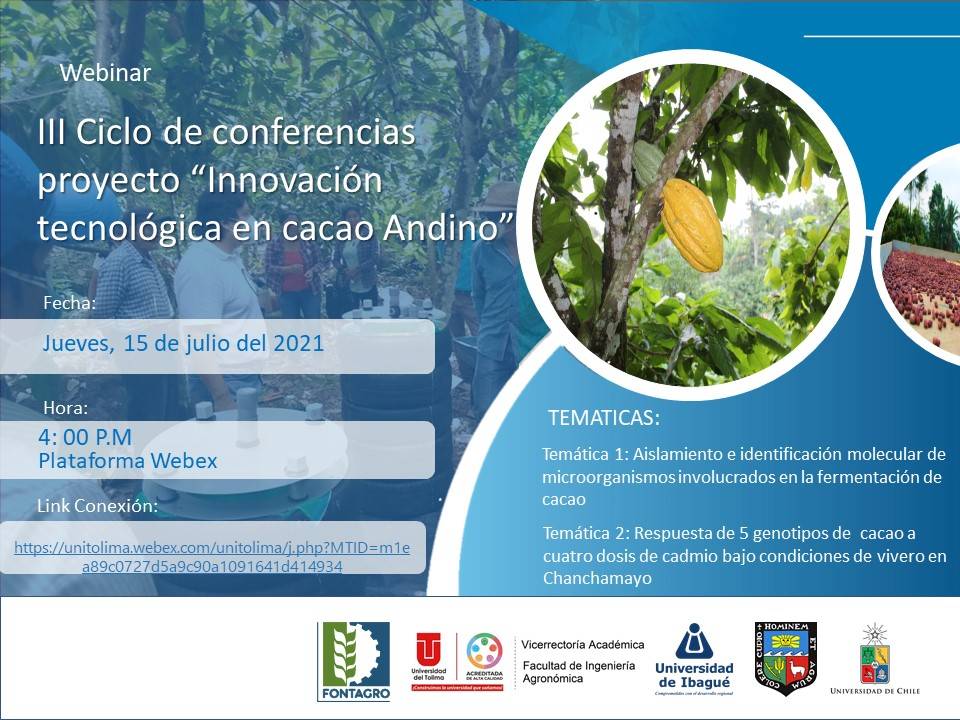
July 12, 2021
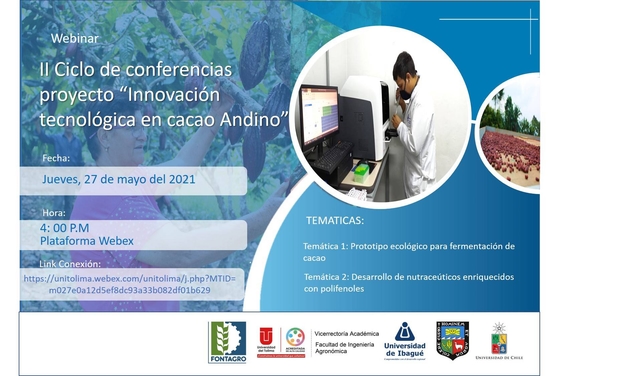
May 14, 2021
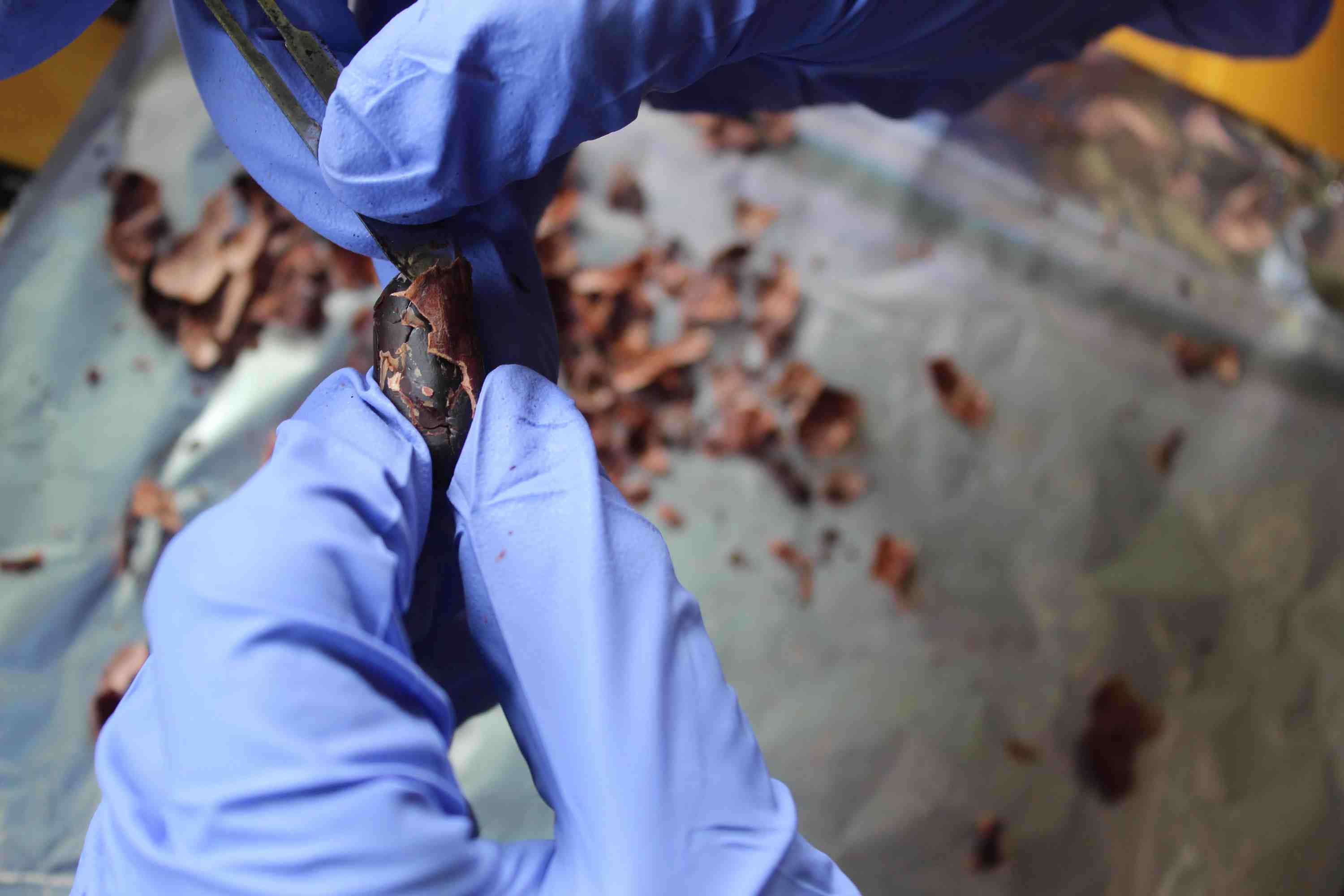
Angélica Piedad Sandoval Aldana
ColombiaJairo Garcia Lozano
ColombiaEdgar Alvaro Avila Pedraza
ColombiaIsabel Cristina Paz Astudillo
ColombiaCarlos Patiño Torres
ColombiaGiann Carlos Peñaloza Atuesta
ColombiaHenry Rubiano
PerúLaura Sabrina Ortiz
ColombiaHeidi Briggity Horta Téllez: Horta Téllez
ColombiaJuan Guillermo Borja Fajardo
ColombiaMilber Oswaldo Ureña Peralta
PerúNubia Martínez Guerrero.
PerúRally Escobedo Portillo.
PerúYuri Huamanguillas
PerúWilton Henry Céspedes Del Pozo
PerúOlimpo José García Beltrán
ColombiaKatty Ogata Gutierrez
PerúErnesto Bello Medina
PerúThe tangible impact of science and technology in the field
Sponsors

With the support of