
 Impact
 Initiatives
 Dashboard
 Alliances
 Impact
 Initiatives
 Dashboard
 Alliances


Learn more about this story
Project Webstory
Go to webstory





 Value chainTechnologicalValue chains and marketsStrategy 1. Resilient farmsStrategy 2. Sustainables territories
 2019
2019 Closed
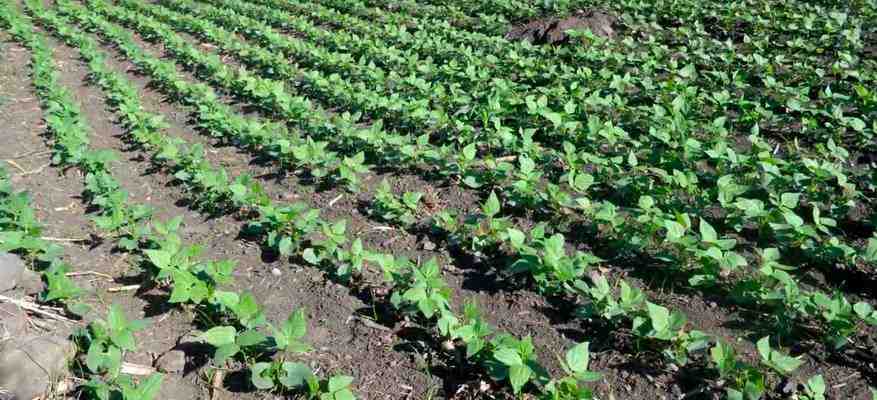
Approximately 53 million people suffer from malnutrition in Latin America and the Caribbean. Consequences include low birth weight and anemia. Biofortification enhances the nutrient content in crops through conventional breeding practices, addressing deficiencies in iron, zinc, and vitamin A in the human body. Biofortified crops exhibit improved agronomic characteristics and provide higher levels of micronutrients compared to conventional crops. Biofortified beans, for instance, supply over 50% of the average estimated requirement for children aged 4 to 6 and non-pregnant women of childbearing age. However, broader dissemination of biofortified varieties in the region is necessary to meet the expectations of this technology. Collaboration among professionals and researchers from agricultural institutions will strengthen the value chain of biofortified beans, aiming to ensure food and nutritional security in the region.
A regional platform designed to strengthen the value chain of biofortified beans in indigenous communities and among farmers in Latin America and the Caribbean. The platform will facilitate the exchange of knowledge and successful experiences among research institutions and national and international public-private partnerships to promote the production and consumption of biofortified beans.
Conduct a workshop to establish a regional platform to strengthen the value chain of biofortified beans in Latin America and the Caribbean.
Document the state of new technologies related to biofortified beans and their value chain.
150 researchers from the region.
This project actively contributes to achieving the Sustainable Development Goals, promoting more equitable, resilient, and sustainable regional development.


The tangible impact of science and technology in the field
Sponsors


With the support of


.png&w=384&q=75)