 Impact
 Initiatives
 Dashboard
 Alliances
 Impact
 Initiatives
 Dashboard
 Alliances


Learn more about this story
Project Webstory
Go to webstory




 Information SystemValue chains and marketsStrategy 1. Resilient farmsStrategy 2. Sustainables territoriesAdaptativeTechnological-Organizational-InstitutionalFamily agriculturePoliciesClimate smart agriculturePests y Diseases
 2015
2015 Closed
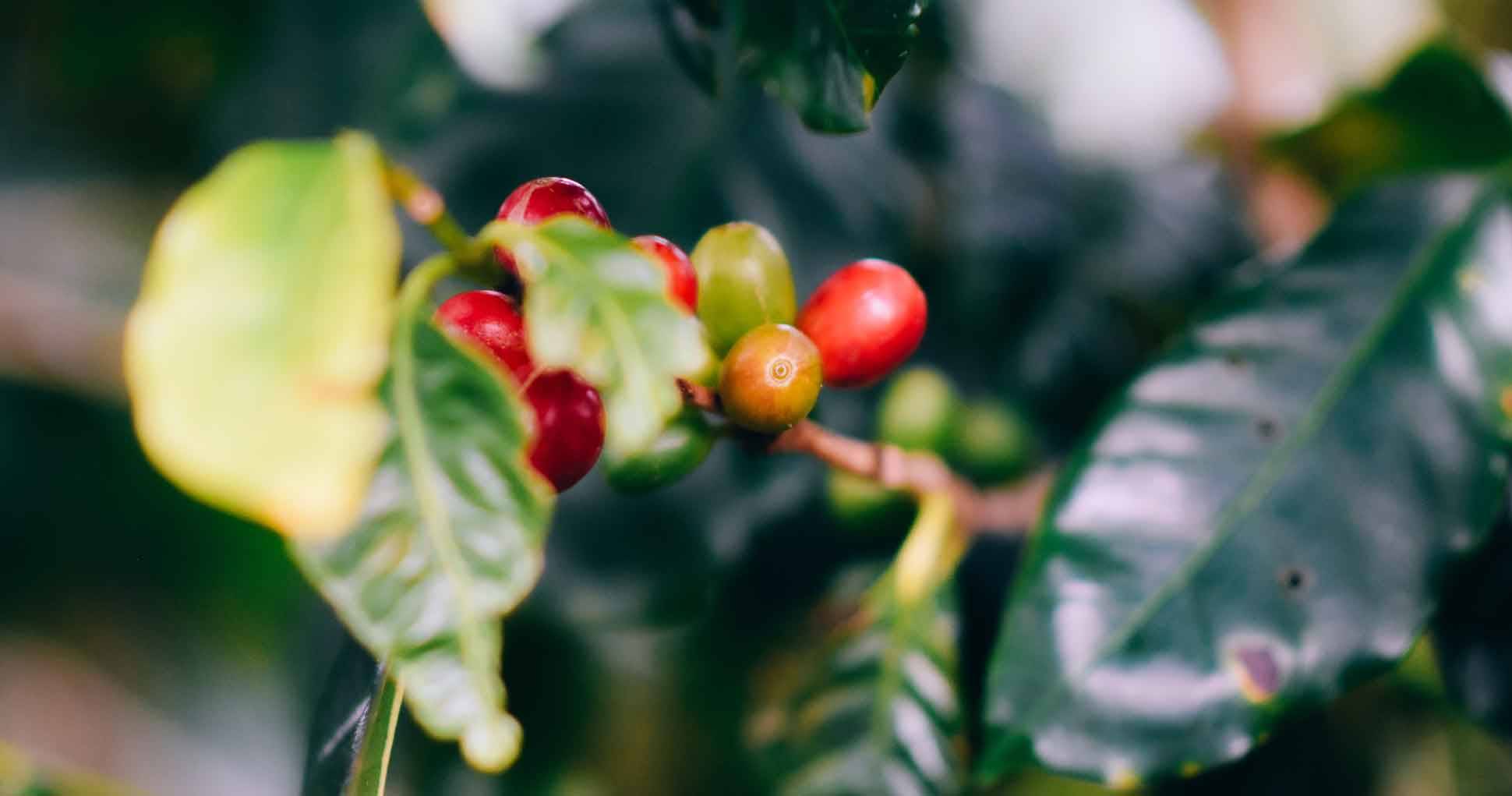
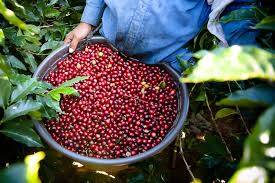
From a socioeconomic point of view, coffee in Central America represents one of the most important items in the agricultural sector. There are around 958,000 hectares of coffee plantations in the region, with an approximate population of 2 million people, if we consider the members of producer families and other actors in the coffee value chain who participate in processing, exportation, roasting, etc. In addition, the entry of foreign currency into the region for coffee exports totals more than 3 billion USD per year, and as such contributes to the economic and social stability of the region.
In Central America and the Caribbean, more than 70% of coffee growers are smallholders. Coffee rust has had serious repercussions on the income level of producer families, such as those suffered in the 2012-13 and 2013-14 campaigns, where losses due to the impact of rust were between 15 and 20 % of the production. The purpose of this project is to develop a Regional Early Warning System (REWS) that will help prevent and mitigate the damage caused by coffee rust.
The REWS will contribute to preventing and mitigating the impact of rust in the region, integrating climatic, phytosanitary, phenological and economic variables, allowing adequate agronomic management in time.
350 thousand coffee producing families in the countries where the Regional Early Warning System (REWS) would be implemented.
This project actively contributes to achieving the Sustainable Development Goals, promoting more equitable, resilient, and sustainable regional development.

Ibrahim Muhammad Akbar
Costa RicaJacques Avelino
Costa RicaAngel Trejo
HondurasMiguel Barquero Miranda
Costa RicaQuisqueya Perez
República DominicanaHarry Perez
PanamáFrancisco Anzueto
GuatemalaSusana Schuller
PerúOscar Ramos
El SalvadorGusland McCook
JamaicaThe tangible impact of science and technology in the field
Sponsors

With the support of