
 Agronomic PracticesClimate changeStrategy 1. Resilient farmsStrategy 2. Sustainables territoriesAdaptativeTechnological-Organizational-InstitutionalRural ExtensionGas emissionClimate smart agricultureEvaluation of Results and ImpactAgricultural systems
 2014
2014 Closed
During the last 20 years, food demand increments have led to greater agricultural and livestock production in South America. However, climate change effects, mainly on small producers, can negatively affect their future development. In Chile, about 90% of livestock systems depend directly on rainfall intensity and frequency. In Argentina, the Pampean region, where the highest percentage of national agricultural production is concentrated, has a very variable rainfall regime. This results in dry, intermediate or very rainy years that alternate not uniformly. In Bolivia, the intensification of droughts in recent years has resulted in a significant decline, with a trend towards disappearance, in sheep production. In Costa Rica, approximately 70% of meat and dual-purpose producers are farmers who develop subsistence production systems and face higher production costs than the rest of Latin America.
The challenge is to respond to global food demands under a scenario of increasingly adverse weather conditions and small producers with minimal technologies and investment. Hence, the objective of this project was to evaluate how forage resources genetically tolerant to water stress result in increase livestock productivity without increasing Greenhouse Gas (GHG) emissions at a Family Farming level.
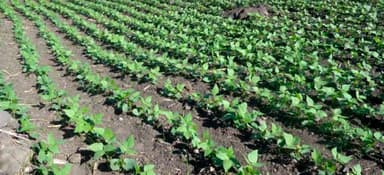
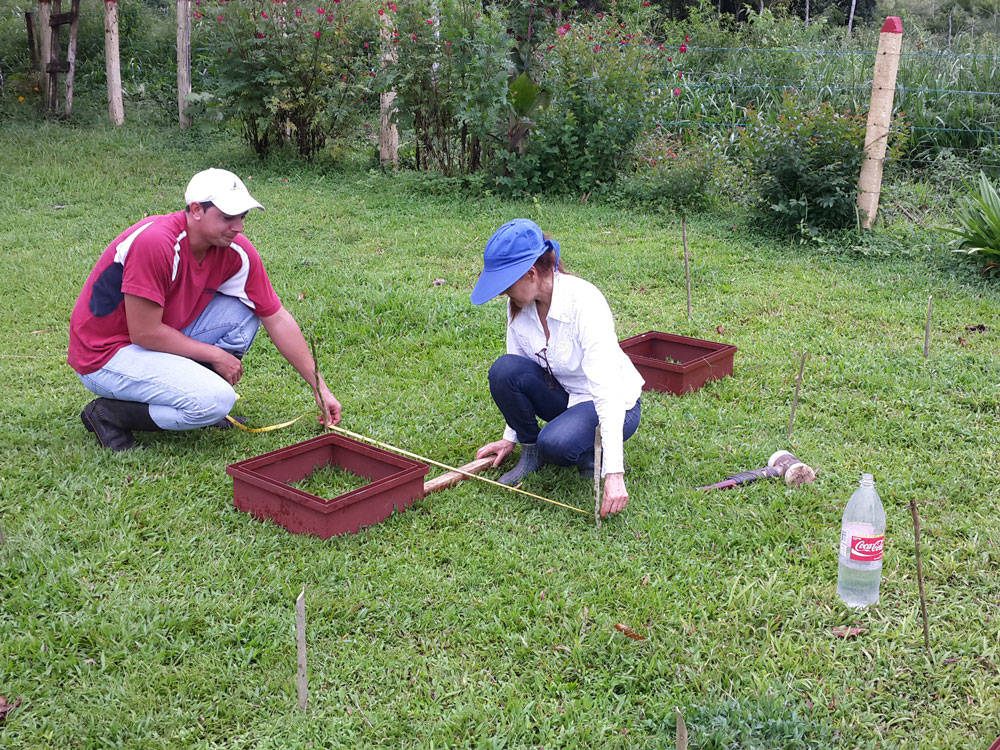
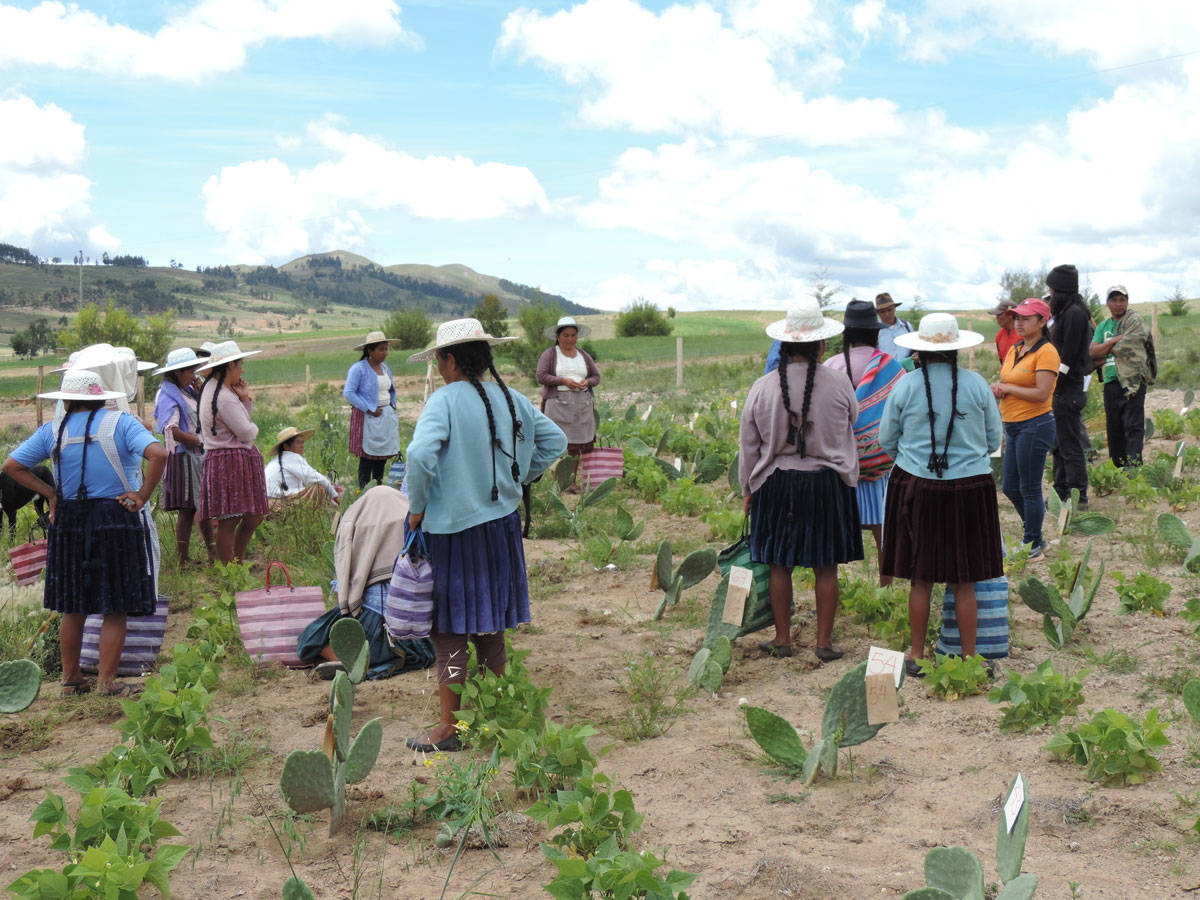
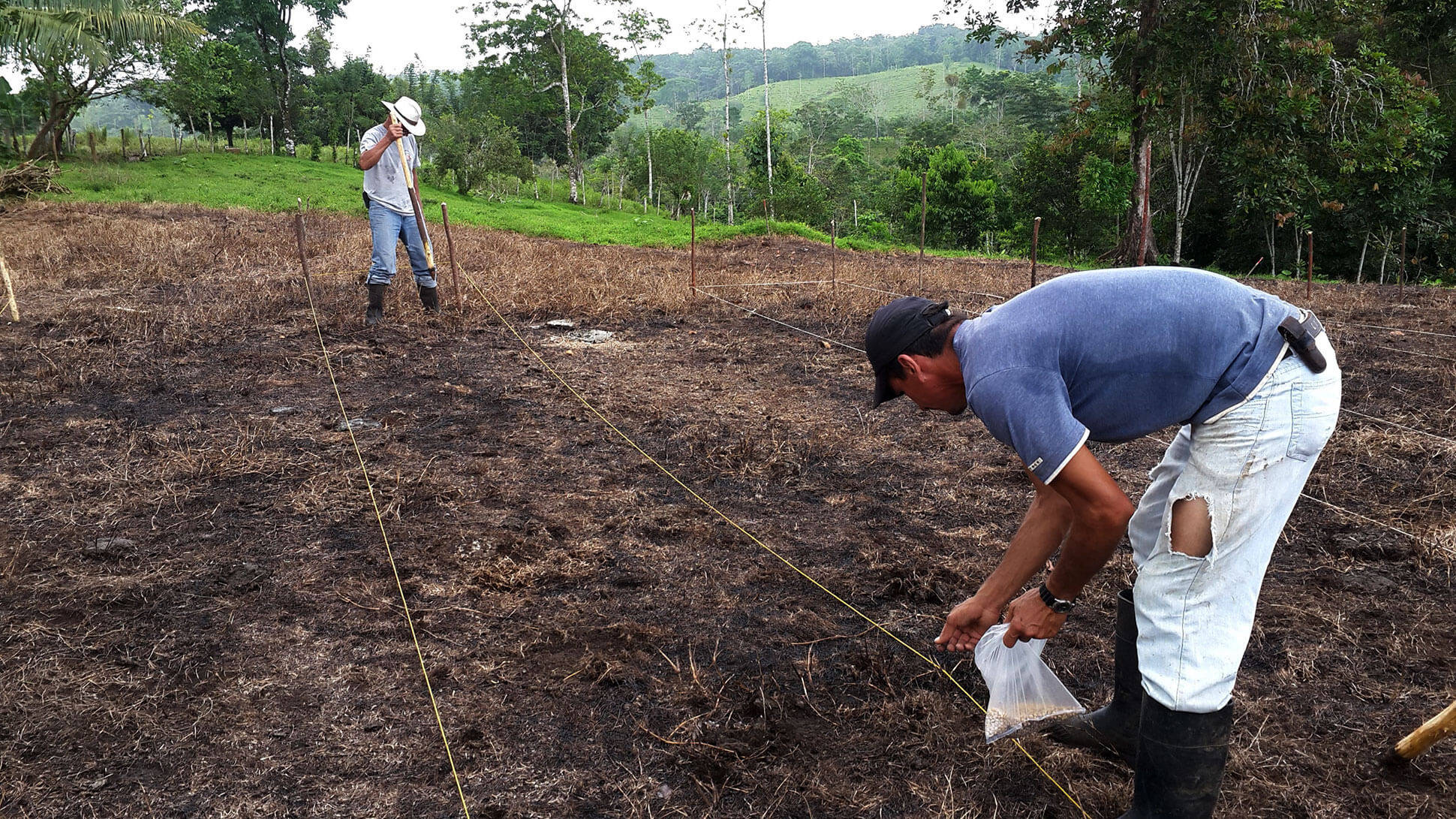
The implementation of forage adaptable to climate change (drought or flood) resulted in productive and economic benefits and reductions in GHG emissions. For example, experiments were performed to evaluate drought-tolerant forage (Chile); forage and tuna fodder (Bolivia); soy adapted to direct grazing in livestock conditions (Costa Rica); and growth promotion of Lotus (Argentina). The forage species implemented had higher yields and helped reduce GHG emissions per kg of live weight during critical times. In Argentina, for example, an increase in cumulative annual production of 9% of Dry Digestible Matter and 58% of Crude Protein was observed in comparison to unmanaged natural grasslands. The invested capital was recovered over a period of one to four years, depending on the country.
This project actively contributes to achieving the Sustainable Development Goals, promoting more equitable, resilient, and sustainable regional development.


Marta Alfaro Valenzuela
ChileLuis Ignacio Inostroza Fuentealba
ChileLaura Finster
ArgentinaAlejandro Costantini
ArgentinaPablo Mamani
BoliviaAna Gabriela Pérez Castillo
Costa RicaJorge Gonzaéz Urbina
ChileMiguel Angel Taboada
ArgentinaVanina Cosentino
ArgentinaRomina Romaniuk
ArgentinaAna Karina Saavedra
BoliviaCristina Chinchilla Soto
Costa RicaJosé Manuel Monge
Costa RicaSergio Abarca Monge
Costa RicaLuis Opazo Ruiz
ChileAndrea Alemán Andrade
BoliviaThe tangible impact of science and technology in the field
Sponsors


With the support of



February 19, 2020

 Impact
 Initiatives
 Dashboard
 Alliances
 Impact
 Initiatives
 Dashboard
 Alliances