



 Impact
 Initiatives
 Dashboard
 Alliances

 Impact
 Initiatives
 Dashboard
 Alliances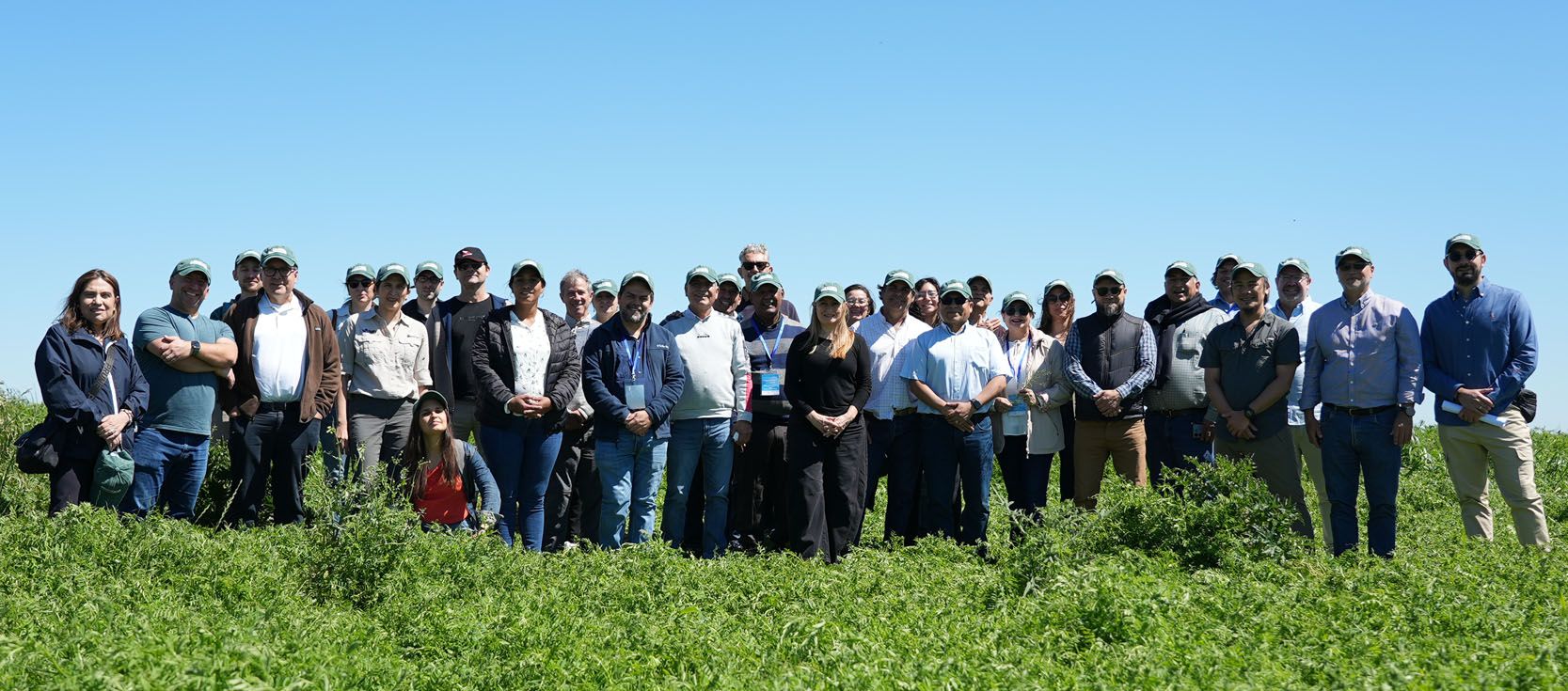
A delegation composed of representatives from 15 member countries of FONTAGRO, the IDB, IICA, and the University of Florida visited emblematic experiences of sustainable agriculture and technological innovation in Santa Fe and Buenos Aires.
As part of the XXIX Annual Meeting of FONTAGRO's Board of Directors, a technical visit was conducted in the province of Santa Fe, Argentina, aimed at exploring outstanding experiences in innovation, sustainability, and technological development in the agricultural sector. This activity was part of the regional dialogue on the future of financing for innovation and technological development in agriculture in Latin America and the Caribbean (LAC).
Directors from national agricultural research institutes of the 15 FONTAGRO member countries participated, along with representatives from the Inter-American Development Bank (IDB), the Inter-American Institute for Cooperation on Agriculture (IICA), and the University of Florida, who had the opportunity to gain in-depth insights into the advancements of Argentine agriculture.
The technical day provided a comprehensive view of the country's production systems. The first part of the visit took place at an agricultural company in Uranga, located in the province of Santa Fe, recognized for its regenerative and sustainable practices in water and soil use. This family-owned business has developed a diversified agribusiness model, combining specialty crops such as legumes, and closely collaborating with the National Institute of Agricultural Technology (INTA) on innovation projects and other producer partnerships.
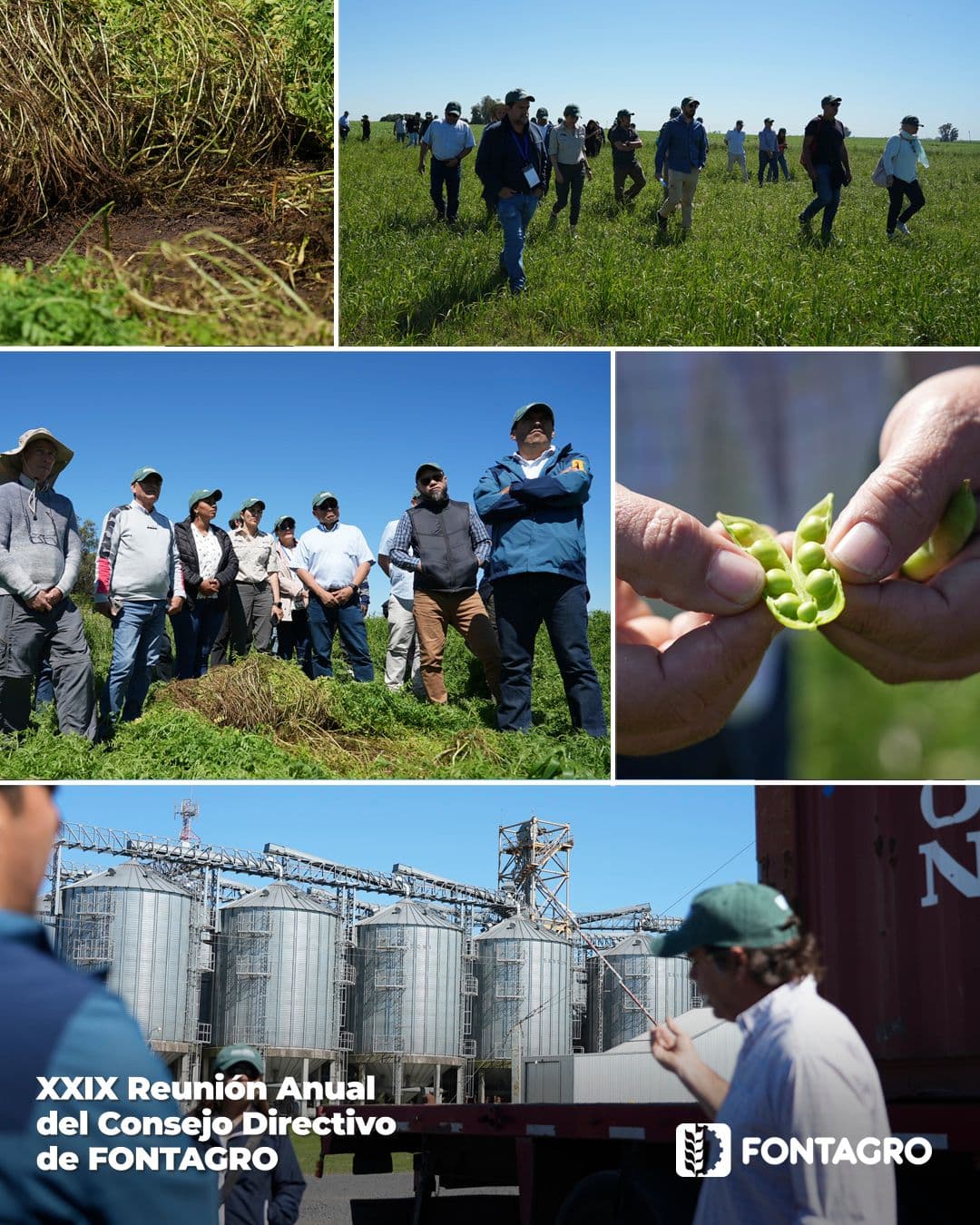
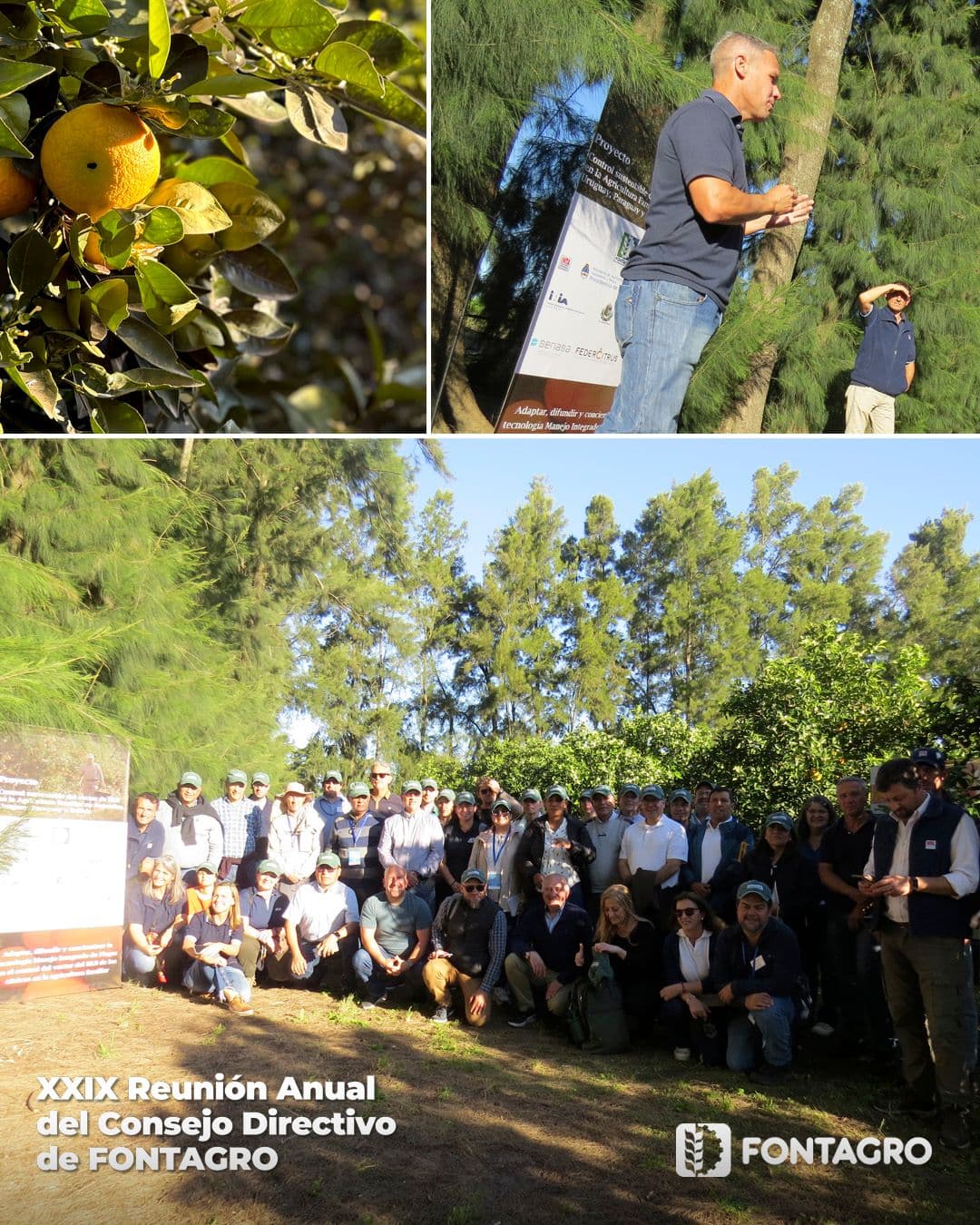
The second segment of the day took place at the San Pedro Experimental Station of INTA in the province of Buenos Aires, a reference point for the development of intensive crops. Participants toured areas dedicated to citrus and sweet potato cultivation, observing activities in production greenhouses and plant sanitation. This station has established itself as a strategic innovation hub for northern Buenos Aires.
During the visit, the delegation learned about the results of the project “Sustainable Control of the Citrus Greening Vector in Family Farming in Argentina, Uruguay, Paraguay, and Bolivia” (2019–2024), co-funded by FONTAGRO. This initiative strengthened regional capacities for early detection and containment of HLB (citrus greening), a disease with a significant impact on citrus production, developing an early warning system and preventive management protocols that now serve as regional references.
Jorge Ganoza, President of FONTAGRO and INIA Peru, expressed on behalf of the Board of Directors: “This field tour allowed participants to appreciate firsthand the innovation and development propelling Argentine agriculture. It reaffirms FONTAGRO's role as a catalyst for collaboration networks promoting more sustainable, competitive, and inclusive agriculture throughout the region.”
FONTAGRO Executive Secretary Eugenia Saini highlighted: “The technical visits are evidence of FONTAGRO's capacity for cooperation and networking. At the San Pedro Experimental Station, we observed how a project funded years ago continues to generate results, with researchers expanding their work to new sector players, demonstrating the sustained value of investment in science and technology.”
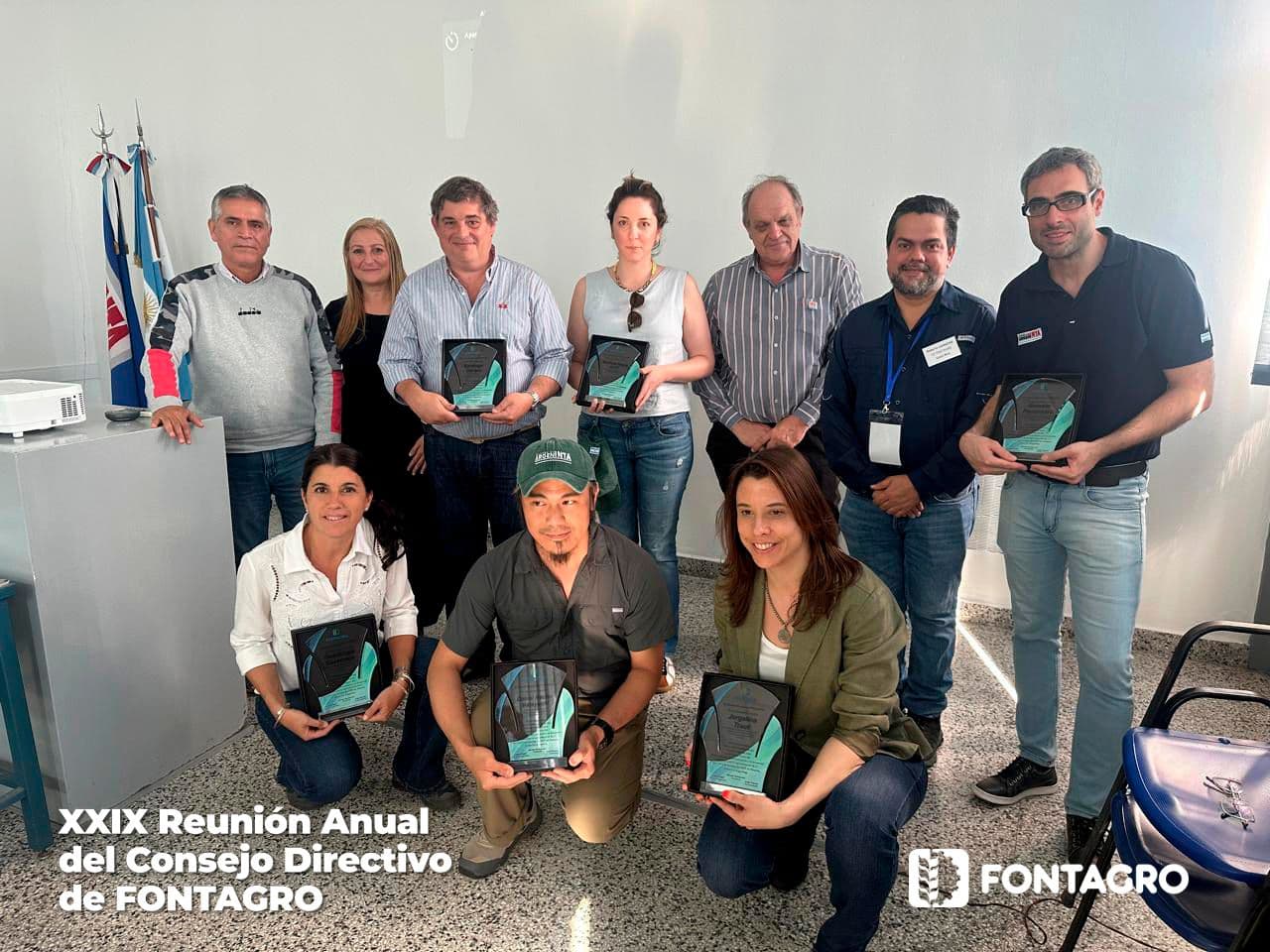
At the end of the visit, FONTAGRO's Board of Directors presented recognition plaques to the executives and teams from INTA – Argentina and Fundación ArgenINTA, in appreciation for their invaluable support in hosting the XXIX Annual Meeting of FONTAGRO's Board of Directors and the Regional Dialogue on the Future of Financing for Innovation and Technological Development in Agriculture in Latin America and the Caribbean, held from October 7 to 9 in Rosario, Argentina.
FONTAGRO is a strategic investment and co-financing fund created by the finance ministers of its member countries, unique in its kind worldwide. Its mission is to facilitate strategic partnerships and multi-country, multi-actor, and multidisciplinary networks to promote sustainable financing for agricultural research, development, and innovation (R&D&I). Additionally, it serves as a reference forum for technological innovation, promoting regional dialogue to enhance the competitiveness of the agri-food sector, reduce poverty, and foster the sustainable use of natural resources. Over the past 27 years, it has co-funded 212 regional agricultural innovation laboratories with over USD$150 million, reaching 2,000 organizations and 300,000 beneficiaries.
The National Institute of Agricultural Technology (INTA) is a public organization under the Ministry of Agriculture, Livestock, and Fisheries of the Argentine Republic. Established in 1956, its objectives and efforts focus on innovation as the engine of national development. As a member of the National System of Science, Technology, and Innovation, INTA develops capabilities for the agro-industrial sector and participates in networks that promote inter-institutional cooperation; it generates knowledge and technologies for various sectors of society through its extension, information, and communication systems.
Founded in July 1993 at the initiative of the National Institute of Agricultural Technology (INTA), Fundación ArgenINTA aims to develop an institutional space that stimulates and facilitates public-private relationships and the mobilization of resources around initiatives and projects. Fundación ArgenINTA has extensive experience in managing and executing International Projects in collaboration with public and private organizations, promoting the commitment to a more sustainable future by addressing issues such as climate change, carbon sequestration, animal welfare and health, artificial intelligence, value chains, bioeconomy, family farming, among others.