-

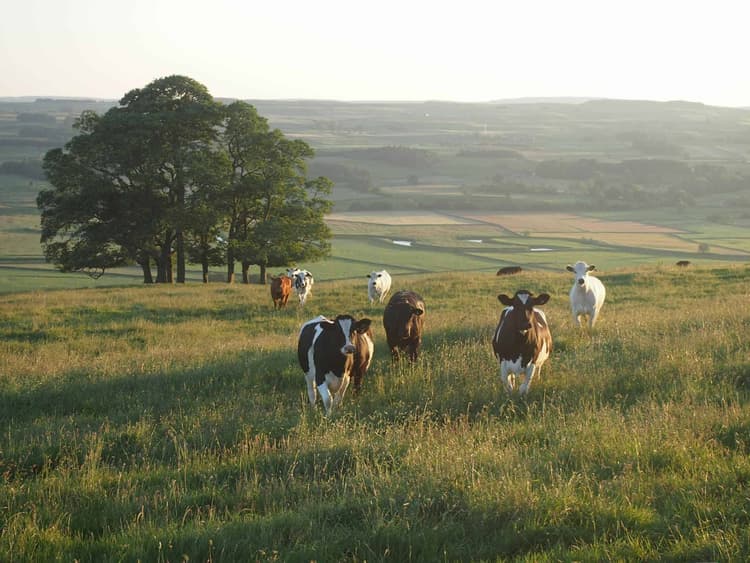
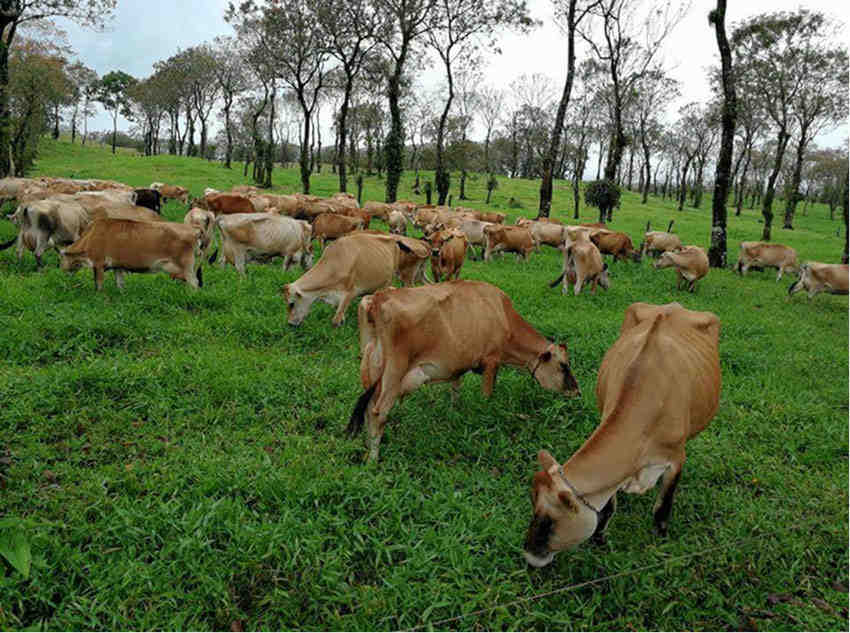
The project has generated knowledge about the characteristics of dual-purpose livestock production systems in three representative locations in Nicaragua, Costa Rica and Panama. It has identified the limitations in the quality of pastures and productive practices. It has also identified alternatives to improve production systems and therefore livestock productivity, as well as producers' perceptions regarding the practice of silvopastoral systems, and has also quantified the benefits of using better technologies in both productive and environmental terms.
 Agronomic PracticesClimate changeStrategy 1. Resilient farmsStrategy 2. Sustainables territoriesStrategicTechnologicalCattle raising, ForestryClimate smart agricultureAgricultural systems
Regarding the bioengineering of silvopastoral systems and the perception about their adoption, it was found: i) the induction tours to demonstration plots motivated the inclusion of the systems in farm plans and that farmers who carried them out for more than three years implemented more than 51% of the practices; ii) in the Nicaraguan Dry Corridor, Fabaceae species represented more than 30% of the 47 identified woody species and that in the Compasagua river basin wooded pastures increased from 665 ha in 1980 to 6646 in 2010; iii) that as technological level increases, the water footprint (lt of water / lt of milk) decreases; iv) 85 to 115 trees per ha are recommended in paddocks; and v) in Panama, 61% of the trees were found in live fences, 32% in paddocks and only 6.8% in riparian forests. Incentive schemes were designed: credit, payment for environmental services and incorporation of environmental benefits into financial schemes.
10 scientific articles, two undergraduate theses and eight postgraduate theses were produced.



Costa Rica

Nicaragua

Costa Rica

Panamá

The Tangible Impact of Science and Technology in the Field

 Impact
 Initiatives
 Dashboard
 Alliances
 Impact
 Initiatives
 Dashboard
 Alliances