



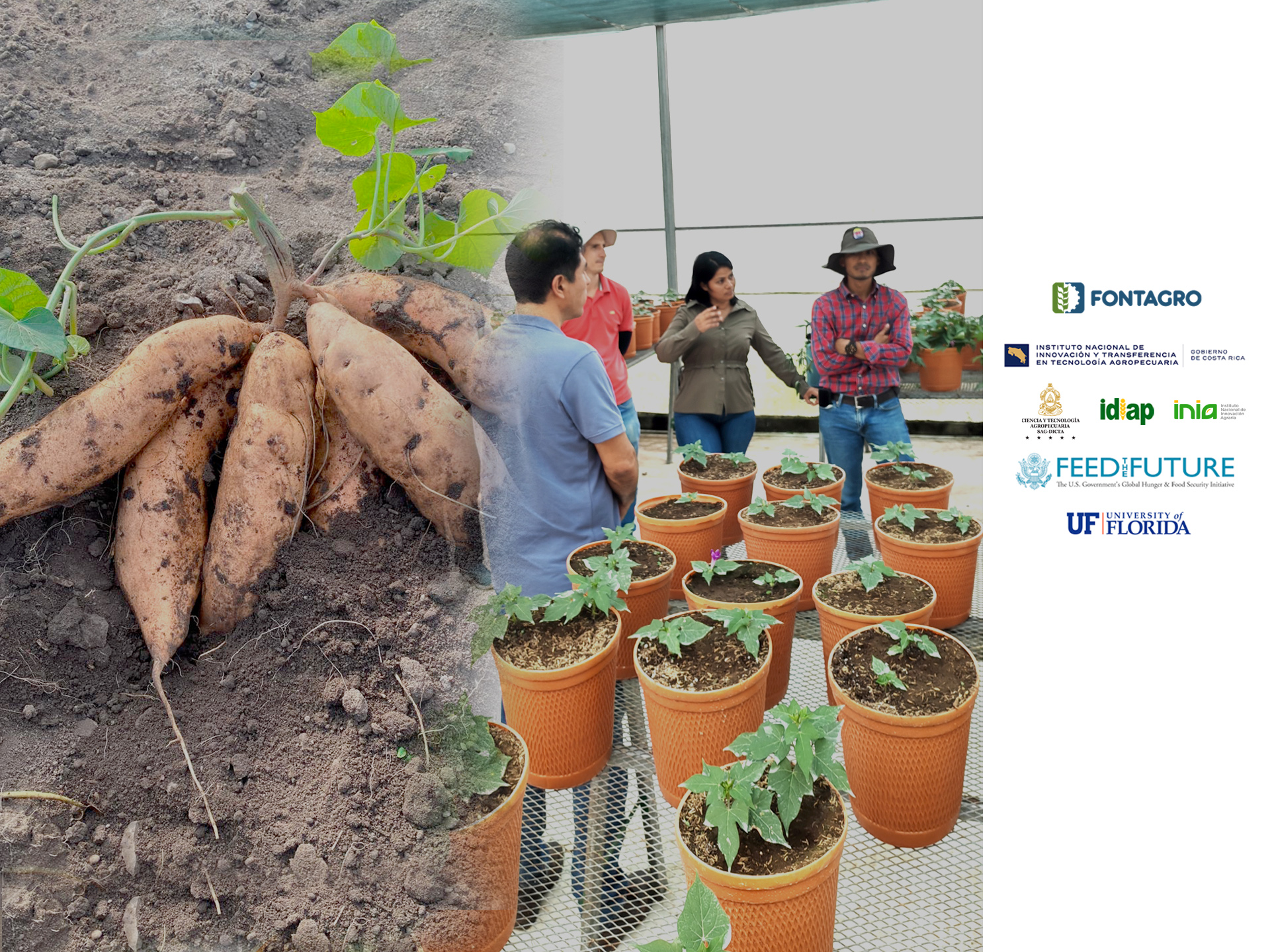
Creation of a regional plant breeding network in Latin America and the Caribbean

The world faces the challenge of ensuring food security, which entails not only accessibility in terms of quantity but also access to healthy and nutritious foods. According to recent estimates, the negative social, environmental, and health-related costs associated with agricultural systems and diet quality currently amount to 10 trillion dollars per year [1]. A particularly alarming aspect is the phenomenon known as the "triple burden" (undernutrition, micronutrient deficiency, and overweight/obesity), which affects both developed and developing countries. It is estimated that 9% of the world's population suffers from some level of malnutrition; in Latin America this figure is 7.4%, rising to 16.6% in the Caribbean [2]. In this regard, the development of regional cooperation networks that promote access to healthy, sustainably produced foods is critical.
[1]Willet W, Rockström J, Loken B, Springmann M, Lang T et al. (2019). Food in the Anthropocene: the EAT–Lancet Commission on healthy diets from sustainable food systems. Lancet 393: 447–92
[2]FAO, IFAD, UNICEF, WFP and WHO. 2020. The State of Food Security and Nutrition in the World 2020. Transforming food systems for affordable healthy diets. Rome, FAO. https://doi.org/10.4060/ca9692en
The project strengthens food and nutrition security in Latin America and the Caribbean through a plant breeding network that connects experts and actors across the value chain.
The project aligns with the IDB Group's 2024-2030 Institutional Strategy, "Transformation for Greater Scale and Impact." The project "Development of a Regional Plant Breeding Network in Latin America and the Caribbean to Promote Resilient and Nutritious Agriculture" seeks to establish connections among experts from multiple disciplines, develop a plant breeding program applied to horticultural crops, and create a user-friendly tool to collect agronomic information and manage data. All of this engages plant breeders, researchers, technicians, producers, and consumers in the region, with the aim of strengthening food and nutrition security through resilient, sustainable agricultural practices in the face of climate change.

The project establishes a horticultural plant breeding network in Latin America and the Caribbean, built on three integrated technological pillars: i) an interdisciplinary scientific network connecting plant breeders, technicians, and researchers from Costa Rica, Honduras, Panama, Peru, and the United States; ii) an experimentation system that evaluates varieties in field plots across the participating countries and analyzes the genotype-by-environment interaction (G×E) using advanced statistical models; iii) a digital platform designed to simultaneously collect, store, and manage the data obtained from each of the regional trials. These components operate in a systematic and synergistic manner: the scientific network generates the knowledge, the modeling system transforms it into breeding decisions, and the platform centralizes it.
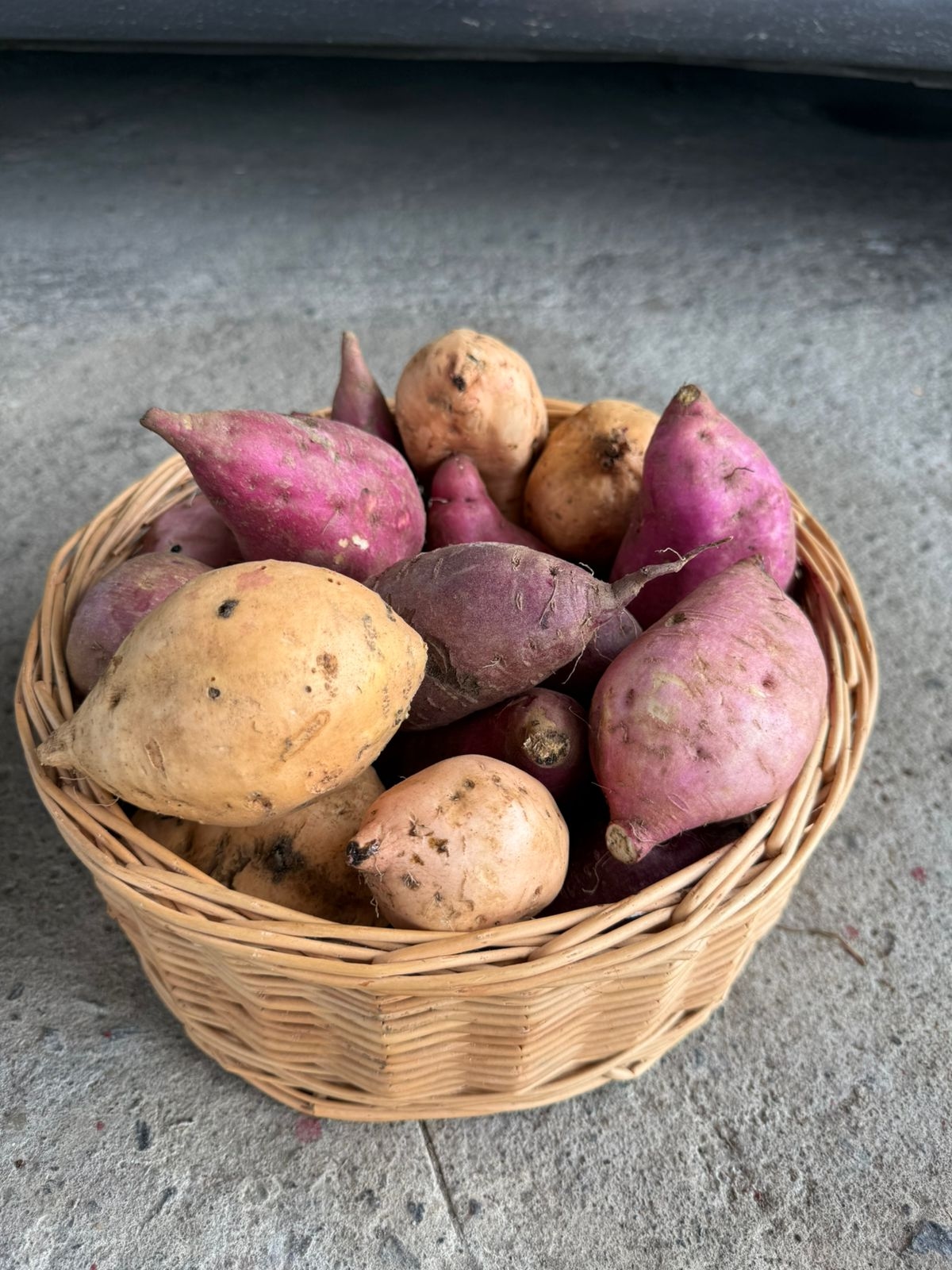
"The true success of plant breeding is measured not only at the research station, but in the smile of the farmer."— Salvatore Ceccarelli
 Agronomic PracticesStrategy 1. Resilient farmsAppliedTechnologicalCropsGenetic improvement
During the first year, the Plant Breeding Network for the LAC region was successfully consolidated, and the regional baseline on the sweet potato value chain was established. Four webinars on sweet potato breeding were held for technicians and researchers in the region, along with two in situ training sessions for the regional establishment of observational trials (OT), through which 15 technicians and researchers from five countries were trained: Costa Rica, Honduras, Panama, Peru, and the United States. In addition, progress has been made in the mass selection of promising materials from the observational trial established in Costa Rica, as well as in the creation of the digital platform for the collection and storage of field results.
Relevant data







Costa Rica
Honduras

Panamá

Perú

Estados Unidos

The Tangible Impact of Science and Technology in the Field

 Impact
 Initiatives
 Dashboard
 Alliances
 Impact
 Initiatives
 Dashboard
 Alliances


.jpg&w=828&q=75)



_12_59_451.png&w=750&q=75)
.png&w=750&q=75)