The Gran Chaco finds itself exposed to important impacts caused by the increase in extreme climatic phenomena, which affect families whose subsistence depends largely on resources from the native forest. The aim of this project is to complement the capacities of organizations and institutions, so that together the problems of complex productive systems in which Family Agriculture operates are addressed.
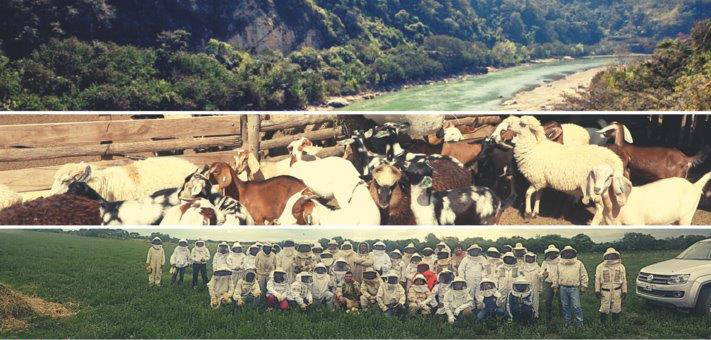
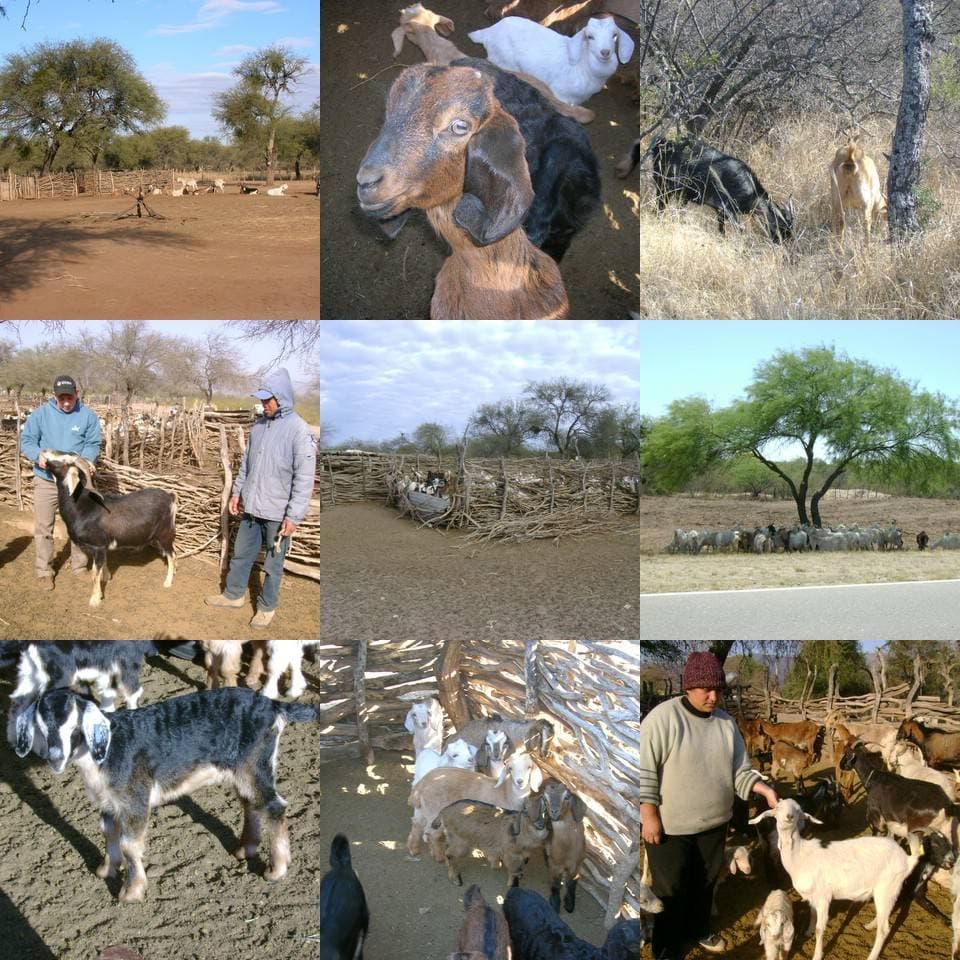
The formation of work networks between INTA, INIAF, IPTA and NGOs of Gran Chaco Proadapt is the main socio-technical solution that made it possible to surpass the project objectives, uniting the R & D & I teams with the organizations and producers from the Gran Chaco. The Gran Chaco Caprine Network was created, uniting the INTA and Gran Chaco Proadapt teams, in the same way that the beekeeping team led by INTA - PROAPI, and the Silkworm team was integrated. Protocols were developed and technological paths were adjusted using the Beekeeping, Minor Ruminants, and Silkworms Demonstration Units as reference sites where technological solutions adapted to the territory and extension tools were generated. Contributions were made to the consolidation of the trinational network of Argentina, Bolivia, and Paraguay meteorological stations managed by Gran Chaco Proadapt.
Knowledge Management is of great importance, highlighting the systematization of information such as information visualization and on-line courses such as the Beekeeping MOOCs.
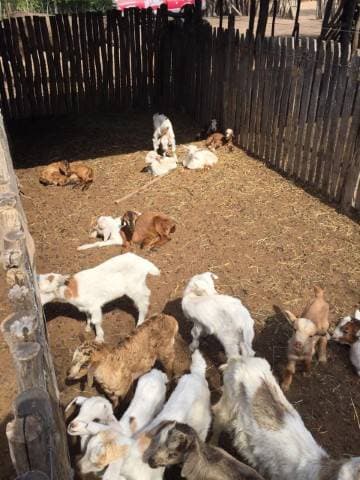
The incorporation of new organizations and HR to the Network made it possible to strengthen work teams and form new work networks such as the Gran Chaco Caprine Network. The technological path was adjusted based on contributions from 19 Beekeeping Demonstration Units (DU), achieving an income/cost ratio of 2.9 in 2021 vs 1.23 in 2018 (diff 236%) with yields in the same period of 30 kg / col and 15 kg / col. In addition, there are 6 Goat Units and 1 Silkworm Units adjusting the technological path with the help of 7 Technology Validation Pilot Sites. The Bermejo-Pilcomayo River Risk Alarm System, managed by Gran Chaco Proadapt, indirectly benefited more than 80,000 people facing the risk of flooding. Two information visualization systems. The remote beekeeping MOOC, created by INTA - RedLac with more than 43,000 registrants from 50 different countries as indirect beneficiaries.




 Agronomic Practices













 Impact
 Initiatives
 Dashboard
 Alliances
 Impact
 Initiatives
 Dashboard
 Alliances











.png&w=750&q=75)