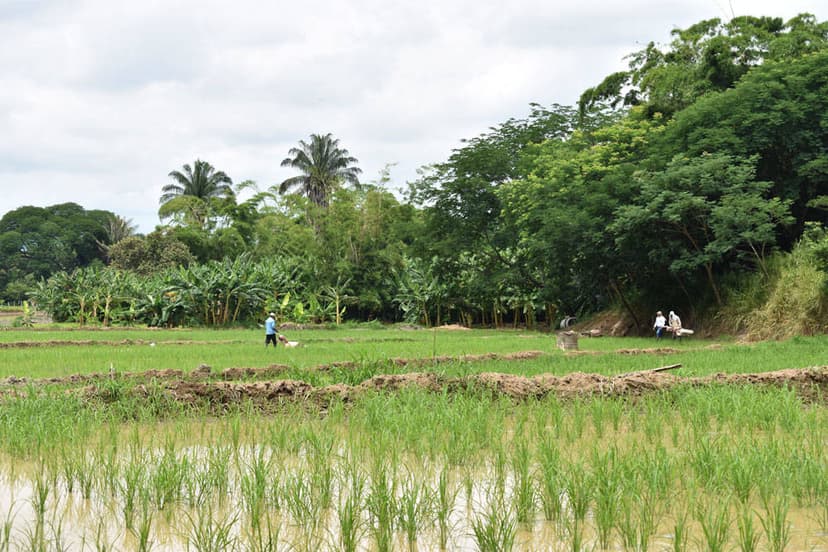
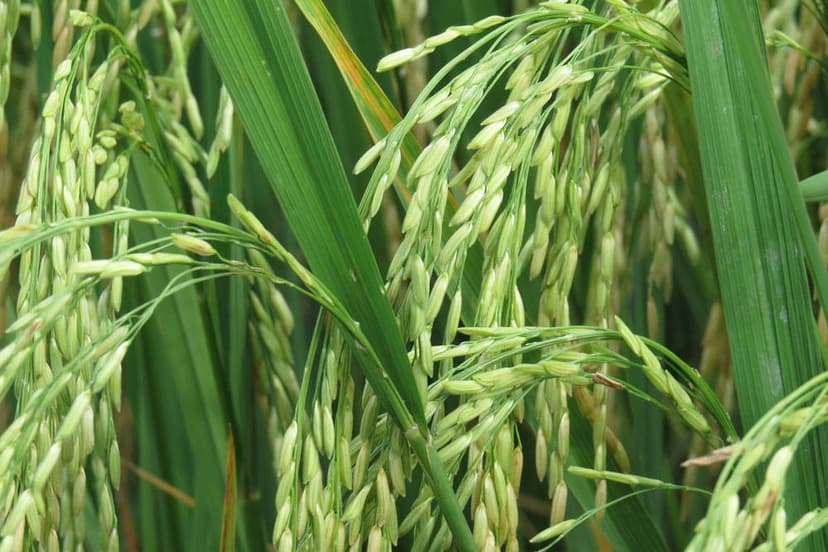
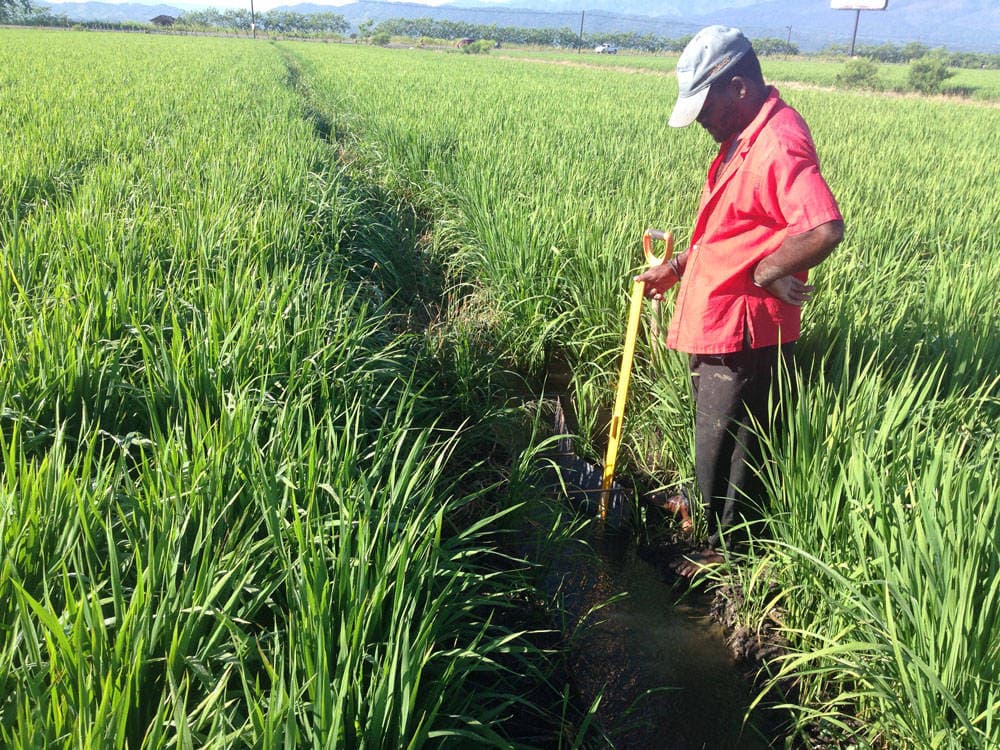
Rice is a staple food for more than half of the world's population. In LAC, per capita consumption is 30 kg/year and demand exceeds production; the deficit, of almost one million tons per year, is covered with imports. The low productivity and low incomes of producers, particularly in family farming, respond to climatic and technological factors. IICA analyzed the productive efficiency, use of resources and the emission of GHG from rice cultivation in the Dominican Republic and Colombia, and validated the System of Rice Intensification (SRI) as a technological innovation adaptable to different conditions.
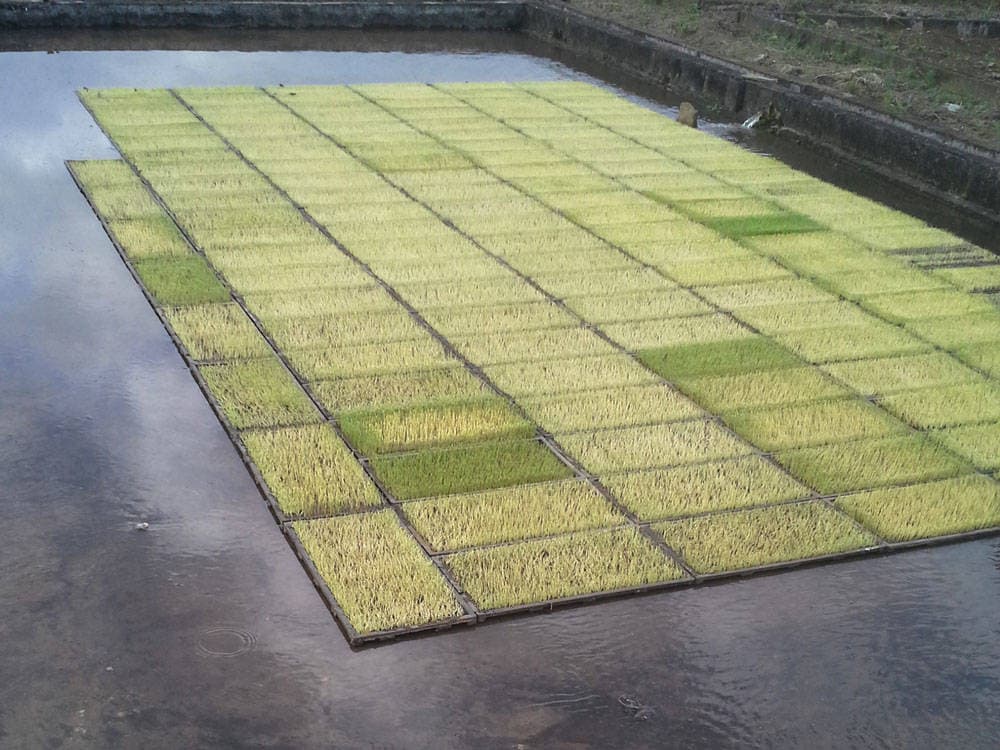
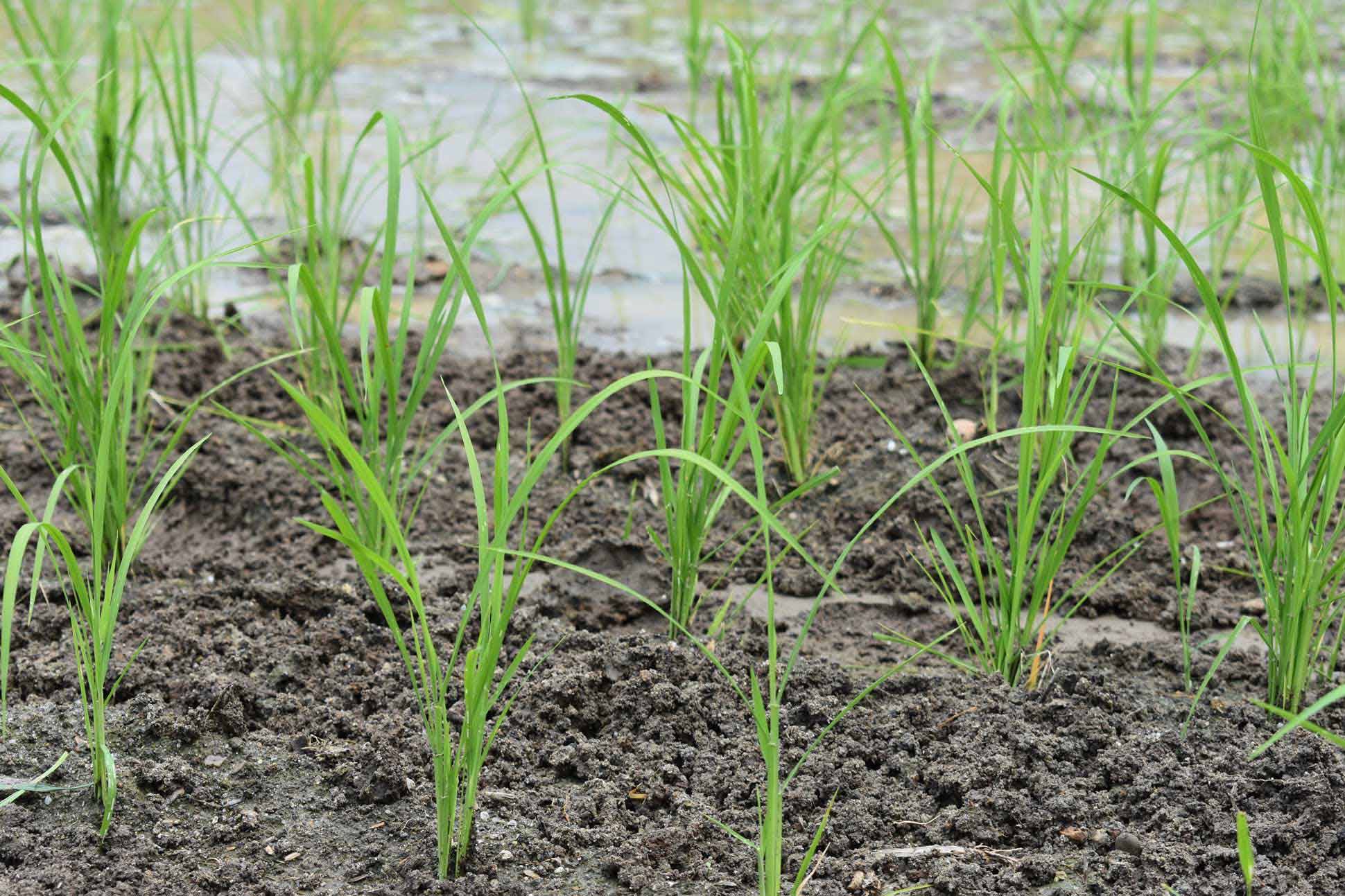
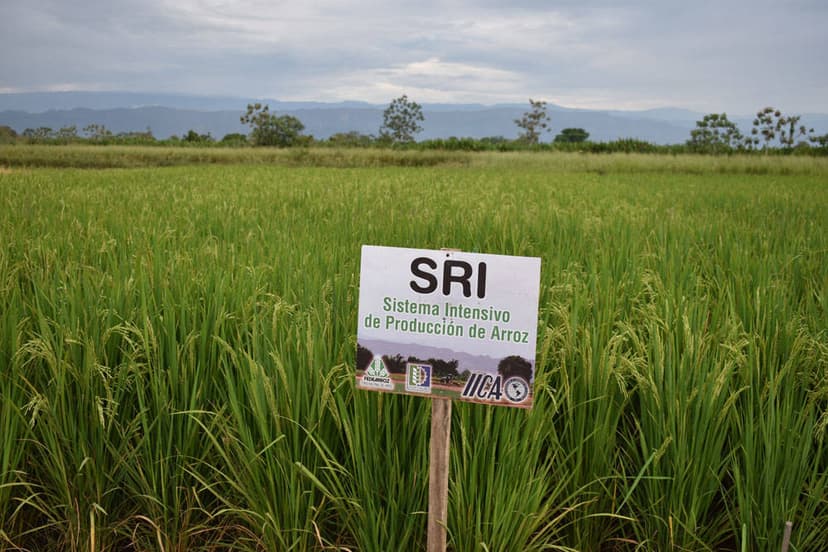
The technology validated in Colombia and the Dominican Republic is the System of Rice Intensification (SRI) that increases productivity based on a set of practices aimed at reducing plant density, improving physical and biological soil conditions and irrigation management and modifying crop planting. SRI is conducive to the use of less seed and other inputs, less water consumption and better root development. The system, successful in other regions, has seldom been evaluated in LAC where the challenges multiply due to the diversity of production systems that range from small plots to large areas, with implications for water, labor and machinery utilization. SRI allows the expression of the genetic potential of plants, with strong and well-developed roots that allow to better resist drought, waterlogging, winds, and other adverse factors, fostering the reduction of vulnerability and the strengthening of food security and farmer's livelihoods.
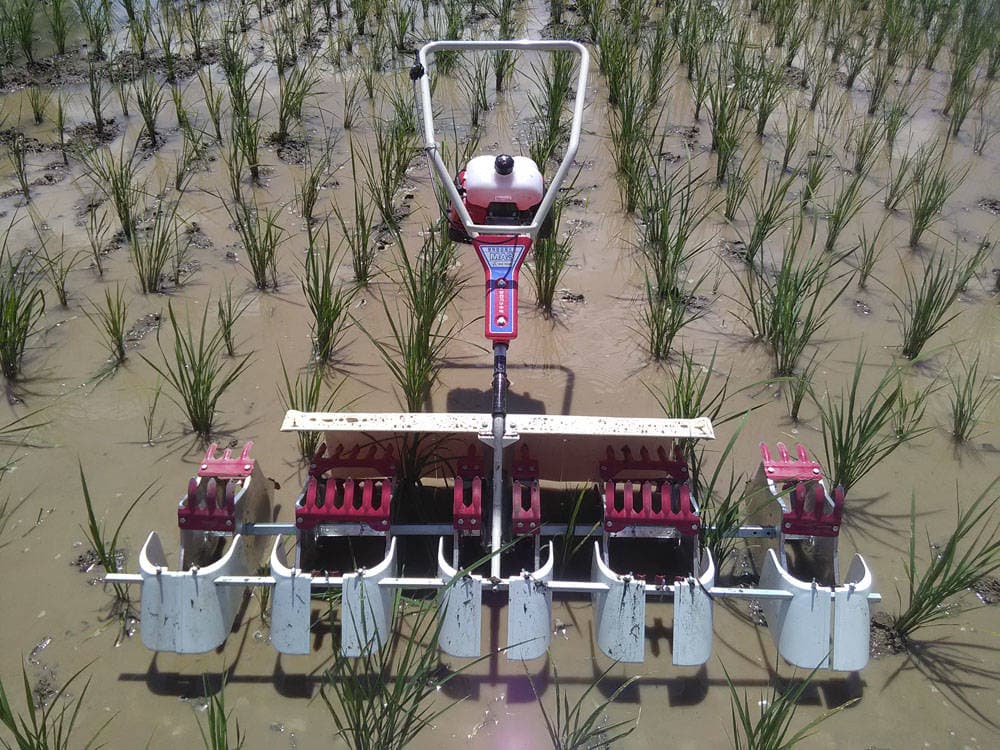
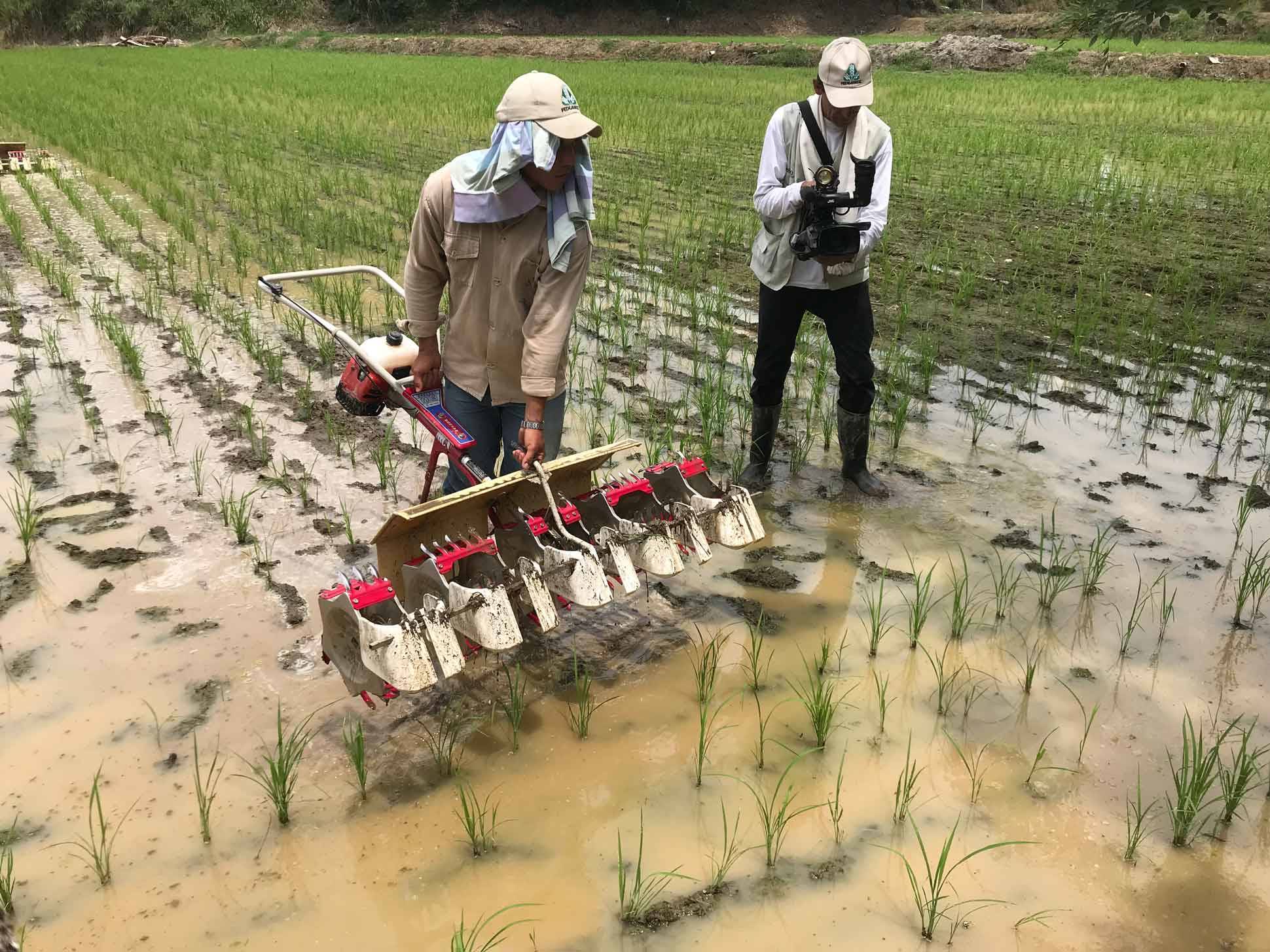
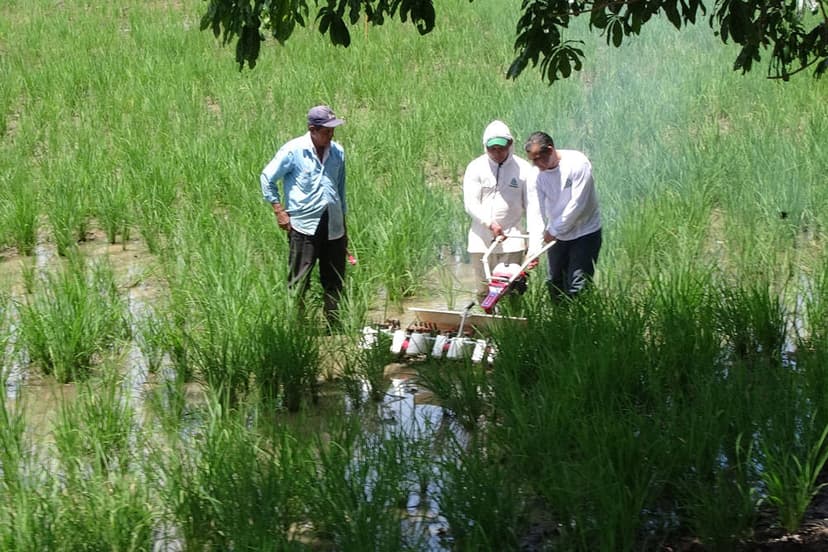
It was shown that SRI saves costs and is more productive and profitable than the traditional systems. In response to a greater number of spikes, panicles, tillers and root length and weight, higher yields (up to 25%) were achieved along with savings in the use of seeds (up to 96%) and water (up to 45%). The lower investment in fertilizers and seeds with SRI caused an average cost savings of 10%, resulting in higher profits of 43% in the Dominican Republic and 68% in Colombia. The mechanization (filling of trays, transplantation and weeding) of the crop was evaluated. This innovation contributed with 36% savings in total costs in Colombia and 10% in the Dominican Republic. Several countries in the region are beginning the scaling-up of SRI.




 Agronomic Practices








 Impact
 Initiatives
 Dashboard
 Alliances
 Impact
 Initiatives
 Dashboard
 Alliances