Agriculture consumes about 70% of the available water, which can generate conflicts between different types of consumers, especially in areas where availability is limited, demands are high and increasing climatic variability affects the seasonal water balance, which increases pressure on a resource whose demand is also seasonal in agriculture. The problem is exacerbated by the lack of understanding that farmers and other stakeholders have about the interaction between the demands of different types of consumers, farming systems, climate variability and the availability and use of water.
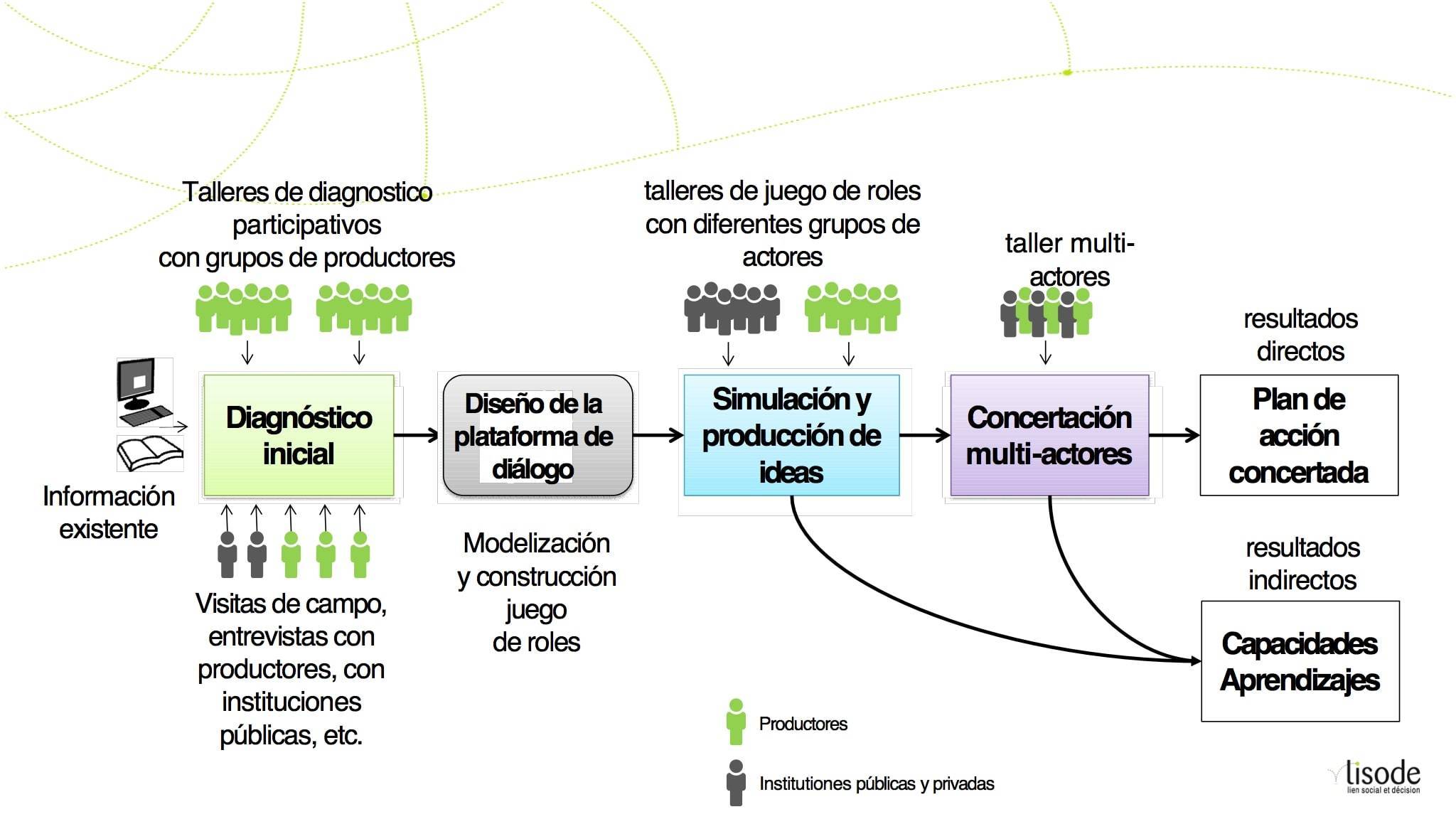
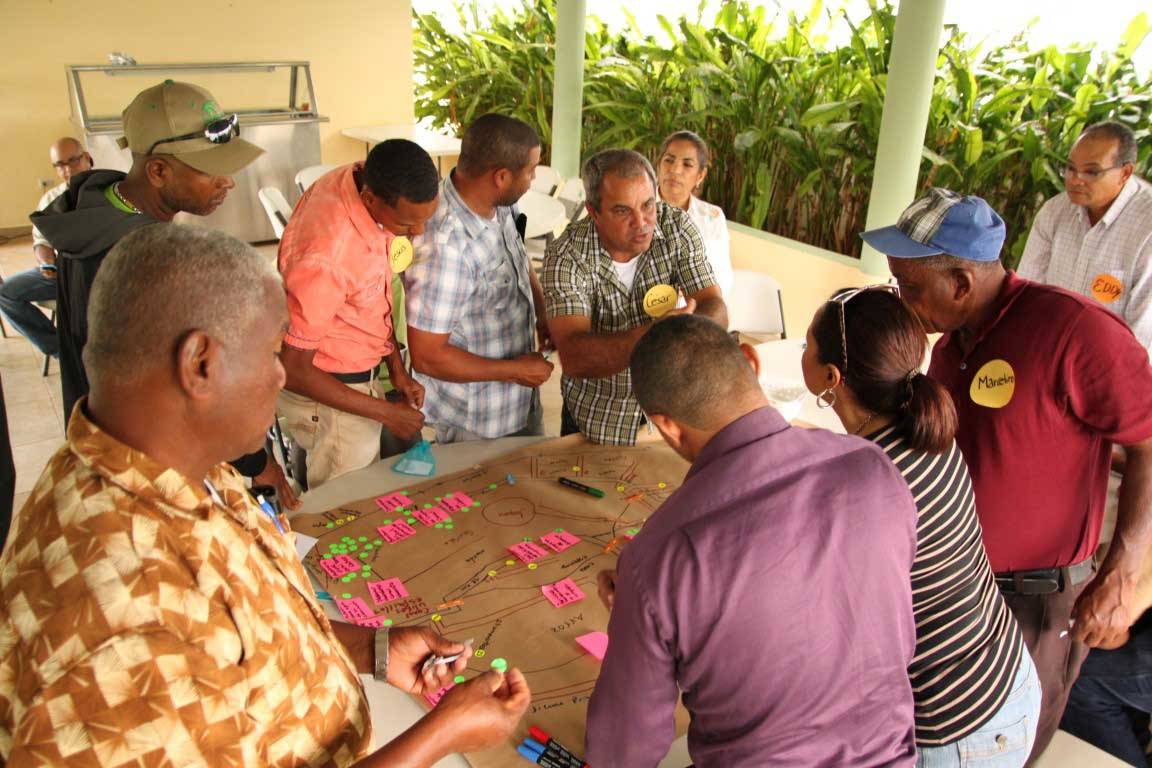
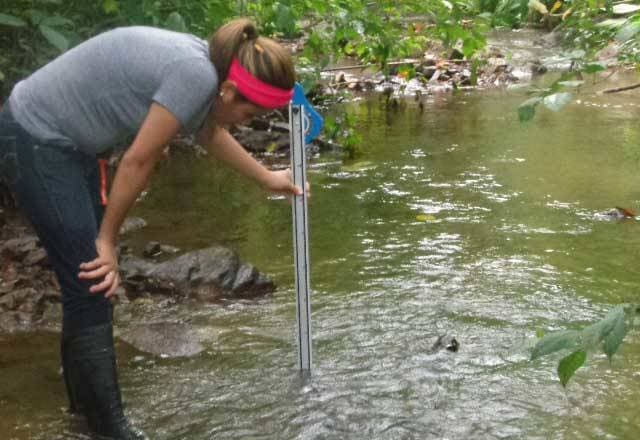
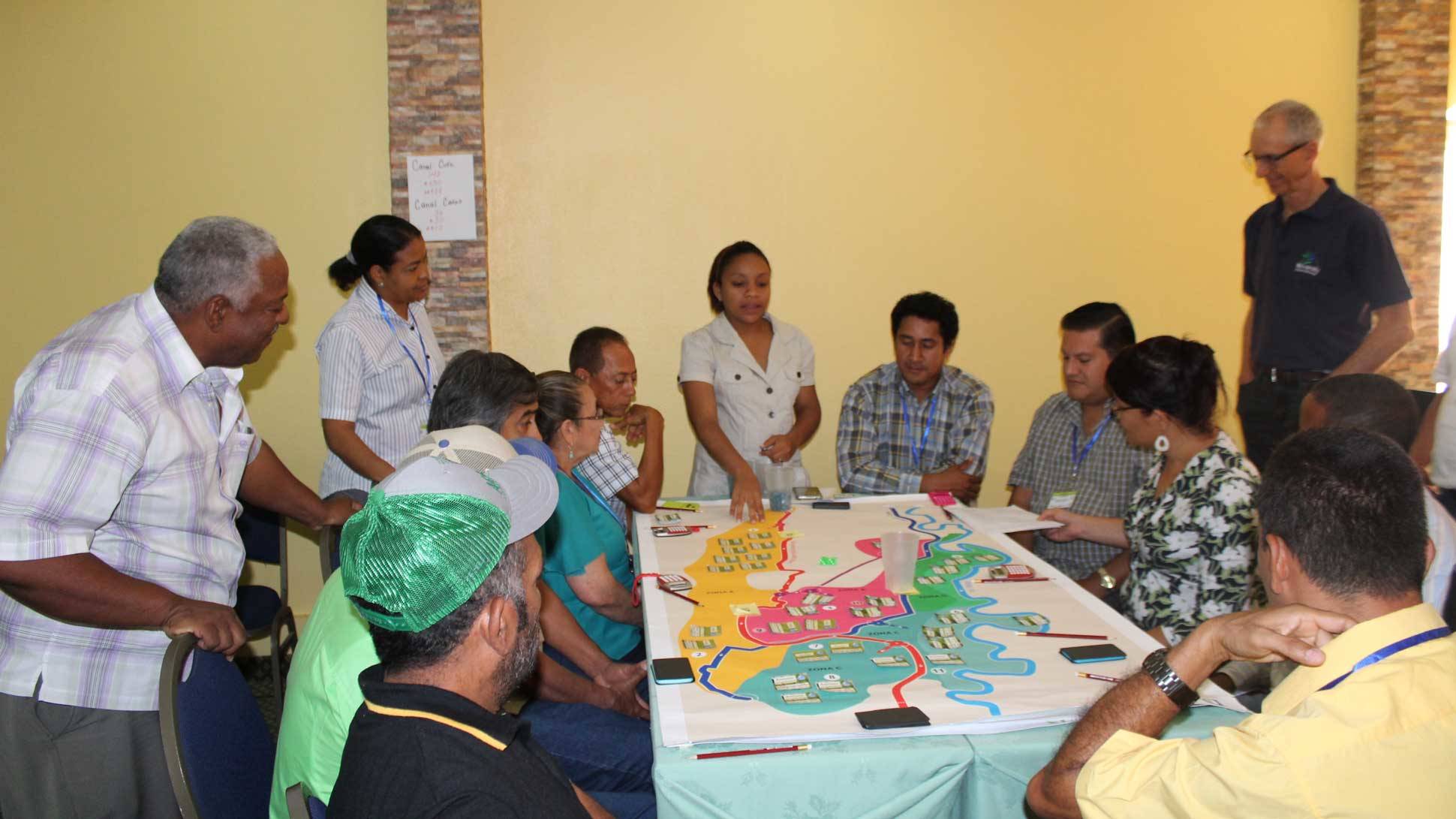
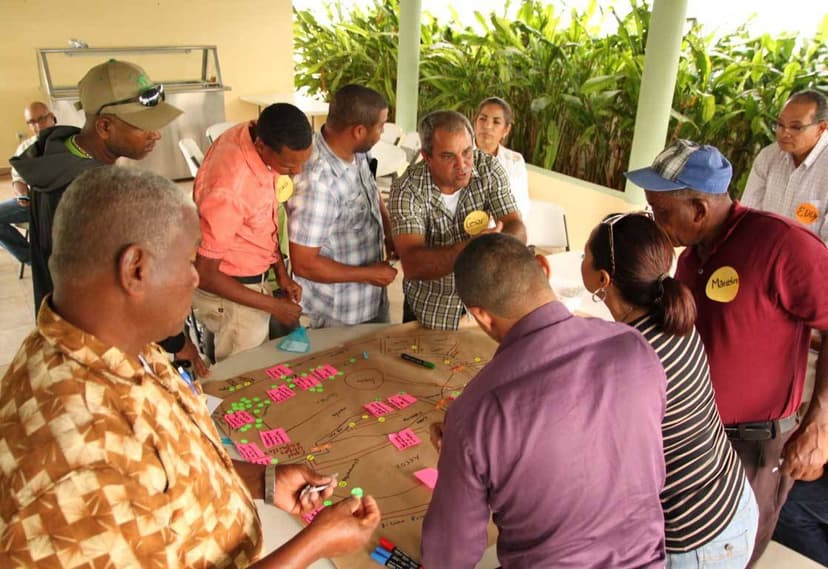
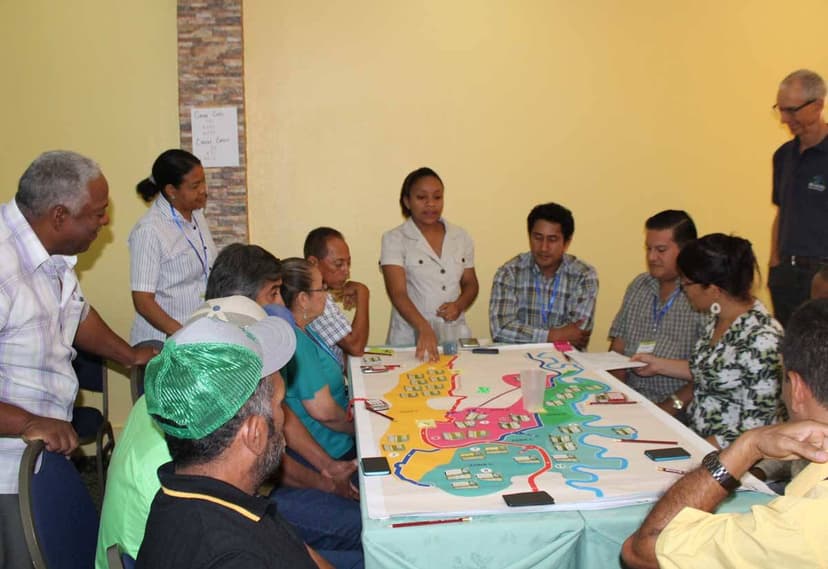
Fourteen participatory workshops were developed in the banana communities with the participation of farmers and other actors. The ComMod (Companion Modeling) methodology was used that served to collect and systematize data on water access and use, the development of four conceptual models that represent the problems of each community, for the elaboration of participatory and expert diagnoses, for the formalization of interactions between water resources, cropping management, the climate and the actors involved in the problems of water use, and for the design, conformation and validation of two territorial dialogue platforms in which role play simulates and analyzes the problems of availability and access to water under different climatic scenarios, articulating the social and ecological systems of each territory in dialogues between all stakeholders.
Participants understood the relationship of agriculture with other water demands. 97% built a vision of the problems and needs of others, which facilitated decision making in the communities. The 249 participants in the workshops identified 109 technological and institutional innovations out of which 29 were included in plans to improve knowledge and raise public awareness about water problems, clarify and formalize the rules and sanctions of access and use, and innovate agricultural practices to reduce the pressure on the resource. The impacts will occur with the dissemination of territorial dialogue platforms that identify local actions to improve water availability and use.
ComMod methodology and results of its application




 Agronomic Practices








 Impact
 Initiatives
 Dashboard
 Alliances
 Impact
 Initiatives
 Dashboard
 Alliances





.png&w=750&q=75)