Characterization of the biodiversity of native potatoes, the development and promotion of products for differentiated markets and technological innovations of production.

The technological solution was based on both science and art, both necessary elements not only when you want to improve a crop but also when you are trying to add value and reach new markets. From a science point of view, the solution point of departure was the identification and characterization of a wide range of the diversity of native potatoes in the Andes, based on criteria defined a priori: morphological, agronomic, organoleptic and functional. The key result was the identification of superior germplasm with characteristics of commercial interest, as well as a new range of cultural practices aimed at achieving greater productivity.
The other creative element was the development and evaluation of innovative products with the support of renowned chefs and kitchen managers. These products have entered the market. As an element of particular interest "Andean Root, Tuberous and Medicinal Plants Biodiversity Fair" has been institutionalized.
 Value chainValue chains and marketsStrategy 1. Resilient farmsStrategy 2. Sustainables territoriesAppliedTechnologicalCrops, Natural resources, Food and MarketsFamily agricultureCapacity buildingGenetic improvementPostharvest
The Project considered a characterization of the diversity of native potatoes, the development and promotion of products for new markets, technological innovations in production and postharvest, and the strengthening of producer organizations, as indicated below:
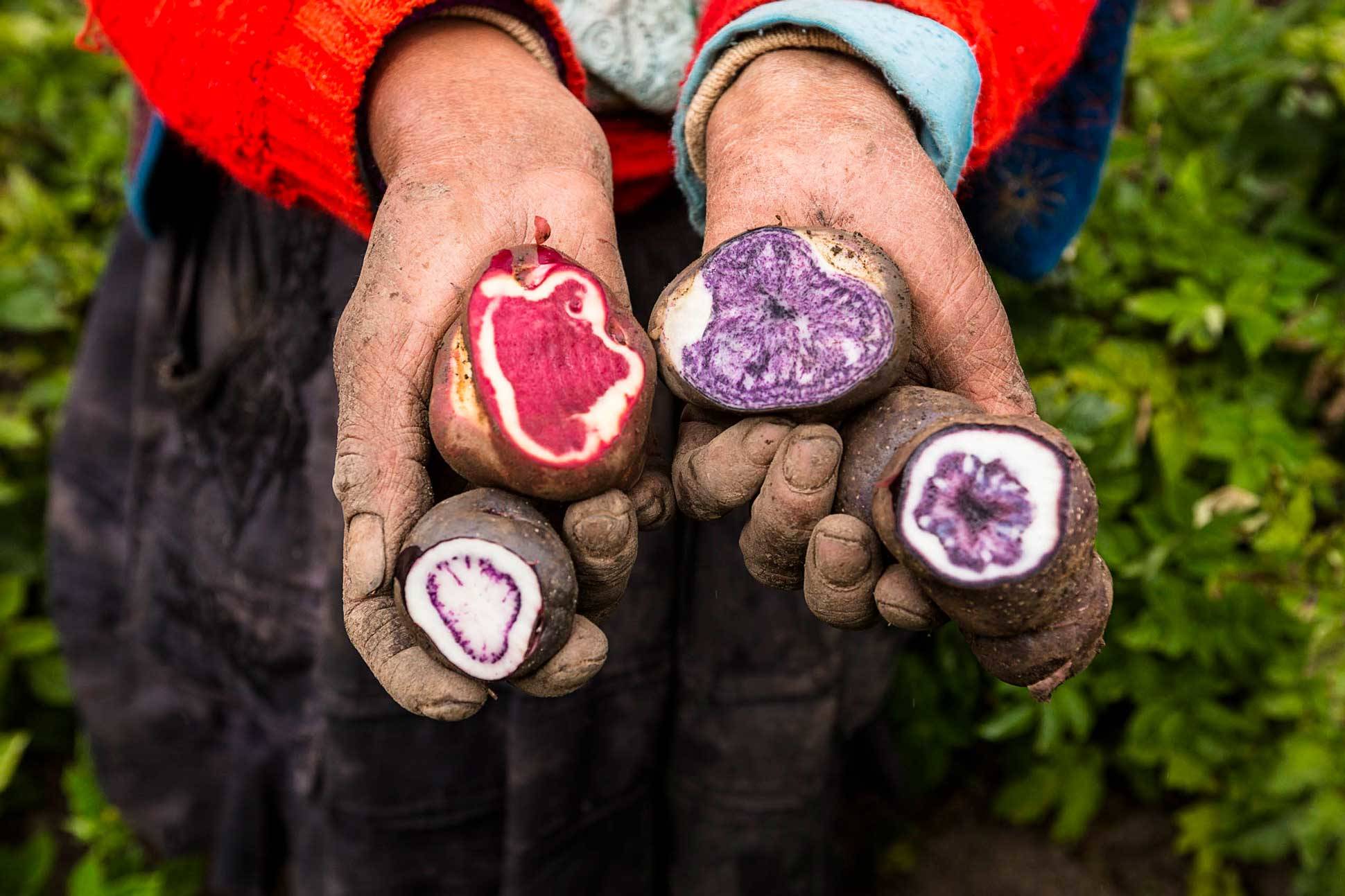
573 native potato cultivars were identified, characterized according to morphological, agronomic, organoleptic and functional attributes, and for industrial and gastronomic use. A catalog by country was prepared.
New products developed and promoted include gourmet canned potatoes, fresh produce for restaurants, fried chips using colored potatoes, dehydrated and frozen potatoes.
Technological innovations focused on biological control strategies, tuber cleaning, sprouting inhibition, bio-product management, quality seed production and fertilization.
The link between producers and new markets was strengthened through workshops and internships that improved managerial capacity, the creation of public-private alliances, the analysis of agri-food chains, and support for convening platforms.




Ecuador
Perú

Perú
Bolivia

The Tangible Impact of Science and Technology in the Field

 Impact
 Initiatives
 Dashboard
 Alliances
 Impact
 Initiatives
 Dashboard
 Alliances




_12_59_451.png&w=750&q=75)