Argentina is the world’s second largest honey exporter.
Until the early 21st century, the beekeeping chain, concentrated in the center of the country, paid little attention to product quality.
In 2003, the European Union detected chemical residues in Argentine honey, setting off a crisis in the sector.
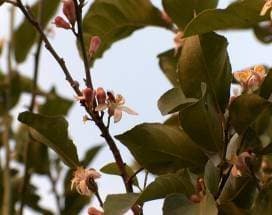
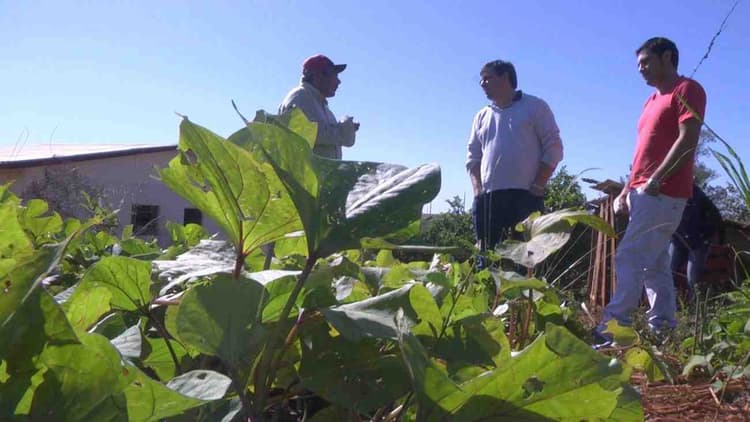
Meanwhile, transhumant beekeepers entered the northern province of Tucumán from the central region, following the blooming cycle of lemon trees. Looking for new sources of income, these workers began to develop savanna beekeeping.
A challenge was then presented: to gain back large markets by building confidence in the safety and quality of Argentine honey.
The team implemented a series of solutions to increase quality control and product safety:
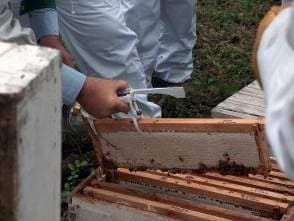
It created a quality management and safety assurance protocol, which includes genetic selection and good practices for obtaining quality-controlled and traceable honey free of chemical additives, to be extracted in certified rooms.
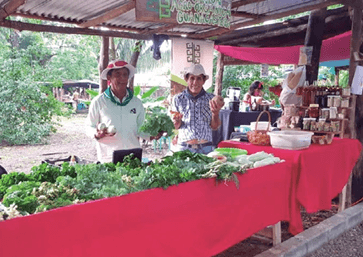
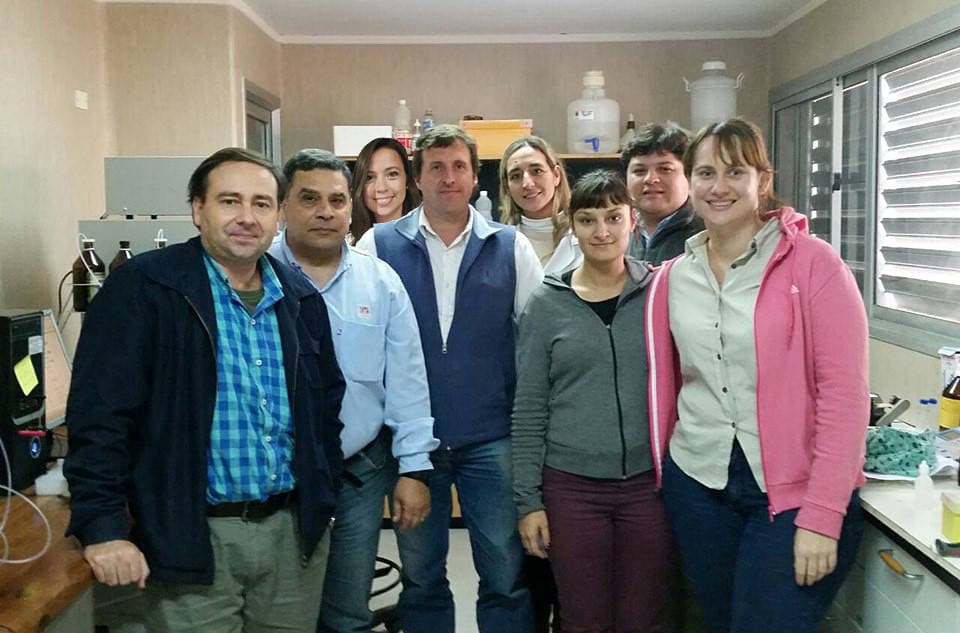
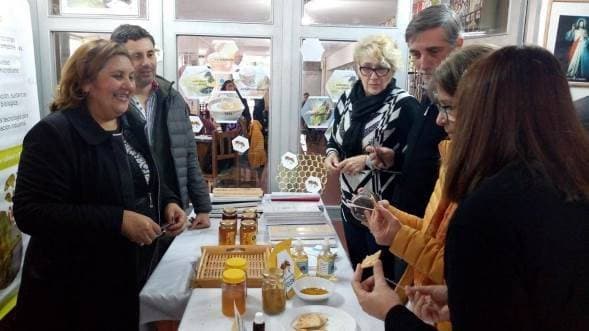
It built a network of more than 400 beekeepers, trained territorial technicians, and implemented demonstration apiaries and an agreement with exporters.
It generated knowledge and technologies for the development of honey products of high biological value.
It studied the botanical origin of honey and propolis to develop differentiation plans, standardize production and certify origin.
It quantified sugar, antioxidant and mineral contents to determine the contribution of the product to nutrition and health.
It framed a standardization process to certify new by-products.
The release of the INTA Protocol No. 11 boosted the competitiveness of Argentine honey products.
A significant number of producers adopted the new technologies throughout the country.
Consumers’ trust in the safety and quality of Argentine honey increased, and importers started implementing differential prices.
Japan received its first export of the new honey, and shipments to the European Union began.
The Argentine Food Code (CAA) regulated the use of propolis in selected products and dietary supplements.
The CAA also regulated the extraction and processing of honey from native stingless bees, a worldwide milestone for its novelty.
The “Honey from lemon blossom from Tucumán” geographical indication" is about to be granted.
A network that multiplies quality
Argentine honey exports





 Agronomic Practices





 Impact
 Initiatives
 Dashboard
 Alliances
 Impact
 Initiatives
 Dashboard
 Alliances




_10_51_03.png&w=750&q=75)